Author: GHTAdmin

  • Navigating Professional Stress: Effective Strategies for Mental Well-being

    Navigating Professional Stress: Effective Strategies for Mental Well-being

    Understanding Professional Stress and Its Impact

    In today’s fast-paced world, professional stress has become an inevitable part of many working individuals’ lives. The constant pressure to perform, meet deadlines, and juggle multiple responsibilities can lead to significant mental strain. For professionals, especially those in middle to upper-middle-class brackets, maintaining a healthy work-life balance is crucial yet challenging. This stress not only affects their productivity but also takes a toll on their mental well-being.

    The Role of Mental Well-being in Professional Success

    Mental well-being is a critical component of overall health and plays a vital role in achieving professional success. When mental health is compromised, it can lead to increased workplace anxiety, reduced job satisfaction, and even burnout. Professionals who prioritize their mental well-being are more likely to experience higher levels of engagement, creativity, and job satisfaction. Understanding and managing mental well-being is essential for sustaining long-term career success.

    Common Triggers of Workplace Anxiety

    Workplace anxiety can stem from various sources, including excessive workloads, unrealistic expectations, lack of control over tasks, and poor work environments. Additionally, the pressure to constantly perform at a high level can exacerbate feelings of inadequacy and self-doubt. For professionals, identifying these triggers is the first step towards managing and mitigating anxiety in the workplace.

    Effective Strategies for Professional Stress Management

    Managing professional stress requires a proactive approach that combines self-awareness with practical strategies. Here are some effective techniques that professionals can incorporate into their daily routines:

    • Mindfulness Practices: Incorporating mindfulness techniques such as meditation and deep breathing can help professionals stay grounded and focused. These practices promote mental clarity and reduce stress levels.
    • Time Management: Effective time management skills can alleviate stress by helping professionals prioritize tasks and set realistic deadlines. This approach minimizes the feeling of being overwhelmed by workloads.
    • Physical Activity: Regular exercise is a powerful stress reliever. Engaging in physical activities like yoga, running, or even a brisk walk can enhance mood and improve overall mental well-being.
    • Seeking Professional Help: Therapy for professionals can provide valuable insights and coping mechanisms tailored to individual needs. Engaging with a therapist offers a safe space to explore emotions and develop effective stress management strategies.

    Therapy for Professionals: A Path to Mental Well-being

    Therapy is an invaluable resource for professionals seeking to manage stress and enhance their mental well-being. It offers a confidential environment where individuals can explore their thoughts and feelings without judgment. Therapists guide clients in developing personalized strategies to address workplace anxiety and improve overall mental health.

    Building Resilience in the Workplace

    Resilience is a key factor in navigating professional stress effectively. It involves developing the ability to bounce back from setbacks, adapt to challenging circumstances, and maintain a positive outlook despite difficulties. Building resilience can significantly enhance one’s capacity to manage stress and maintain mental well-being.

    One effective way to build resilience is through cultivating a growth mindset. This involves viewing challenges as opportunities for learning and development rather than insurmountable obstacles. Professionals who adopt a growth mindset are more likely to persevere in the face of adversity and find innovative solutions to problems.

    Another aspect of resilience is fostering strong social connections. Supportive relationships with colleagues, mentors, and peers can provide encouragement and practical advice during stressful times. Engaging in open communication and seeking support when needed can alleviate feelings of isolation and enhance one’s ability to cope with stress.

    The Importance of Work-Life Balance

    Achieving a healthy work-life balance is essential for managing professional stress and maintaining mental well-being. It involves setting boundaries between work and personal life, ensuring that neither aspect overwhelms the other. Professionals who prioritize work-life balance are more likely to experience greater job satisfaction and overall happiness.

    To achieve work-life balance, individuals can start by setting clear priorities and aligning their daily activities with their values and goals. This may involve delegating tasks, learning to say no to non-essential commitments, and scheduling regular breaks to recharge. Additionally, creating a designated workspace and establishing a consistent routine can help delineate work from personal time.

    It’s also important to engage in leisure activities and hobbies outside of work. Participating in activities that bring joy and relaxation can reduce stress and promote a sense of fulfillment. Whether it’s spending time with family, pursuing creative interests, or simply unwinding with a good book, these activities contribute to a balanced and fulfilling life.

    Embracing a Holistic Approach to Mental Well-being

    A holistic approach to mental well-being considers the interconnectedness of mind, body, and spirit. It emphasizes the importance of addressing all aspects of an individual’s life to achieve optimal mental health. This approach is particularly beneficial for professionals who face the multifaceted challenges of modern work environments.

    Incorporating holistic wellness practices into daily routines can significantly enhance mental well-being. These practices may include mindfulness meditation, yoga, aromatherapy, and nutritional support. By nurturing the mind, body, and spirit, professionals can experience increased resilience, reduced stress, and improved overall health.

    Furthermore, engaging in regular self-reflection and self-care is essential for maintaining a holistic approach to mental well-being. Taking time to assess personal needs, set intentions, and practice gratitude can foster a deeper sense of self-awareness and fulfillment. This holistic mindset empowers professionals to navigate stress with greater ease and confidence.

    Creating a Supportive Work Environment

    Fostering a supportive work environment is crucial for enhancing mental well-being and reducing professional stress. Employers play a significant role in creating a culture that values mental health and encourages open communication. By promoting a supportive atmosphere, organizations can help professionals feel more secure and valued in their roles.

    One way to create a supportive work environment is by implementing mental health programs and initiatives. These can include workshops on stress management, mental health days, and access to counseling services. Providing resources and support for mental well-being demonstrates a commitment to employees’ health and can lead to increased job satisfaction and productivity.

    Additionally, fostering a culture of open communication is essential. Encouraging employees to share their concerns and providing a platform for feedback can help identify stressors and areas for improvement. Managers should be trained to recognize signs of stress and provide appropriate support, ensuring that employees feel heard and valued.

    The Role of Technology in Stress Management

    Technology can be both a source of stress and a tool for managing it. While the constant connectivity of the digital age can contribute to stress, it also offers solutions for managing it effectively. Leveraging technology can empower professionals to take control of their mental well-being and reduce stress.

    There are numerous apps and online platforms designed to support mental health and stress management. These tools offer guided meditations, relaxation techniques, and time management resources that professionals can incorporate into their daily routines. By utilizing technology, individuals can access support and resources at their convenience, helping them manage stress more effectively.

    However, it’s important to set boundaries with technology to prevent it from becoming a source of stress. Professionals should establish limits on screen time, designate tech-free zones, and practice digital detoxes to maintain a healthy balance between technology use and mental well-being.

    Graceful Guidance Counseling Center: Your Partner in Mental Well-being

    At Graceful Guidance Counseling Center, we understand the unique challenges that professionals face in managing stress and maintaining mental well-being. Our empathetic and supportive approach is designed to provide a confidential and safe environment for transformation. With flexible scheduling and evidence-based therapeutic methods, we help clients achieve their best selves.

    Located in Wesley Chapel, North Tampa, Zephyrhills, Trinity, and Odessa, our therapy practice is dedicated to empowering individuals to overcome personal challenges and embrace growth. We offer personalized care and a supportive community, addressing the desire for holistic wellness and mindfulness.

    If you’re ready to take the next step in managing professional stress and enhancing your mental well-being, reach out to us at info@gracefulguidancellc.com. Let Graceful Guidance Counseling Center be your partner in achieving a balanced and fulfilling life.

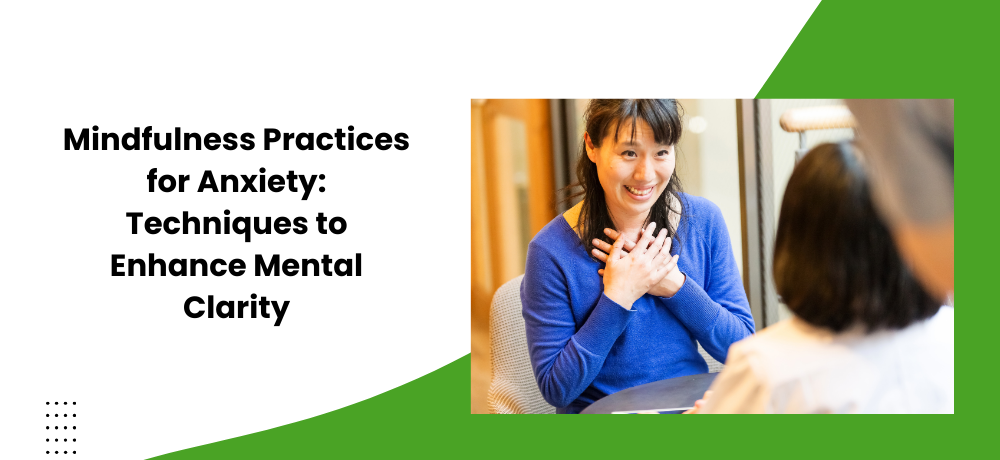
  • Mindfulness Practices for Anxiety: Techniques to Enhance Mental Clarity

    Mindfulness Practices for Anxiety: Techniques to Enhance Mental Clarity

    In today’s fast-paced world, anxiety has become a common challenge for many individuals striving to maintain mental clarity and achieve personal growth. As the pressures of daily life mount, finding effective ways to manage anxiety is crucial for well-being. Mindfulness practices offer a holistic wellness approach that not only aids in anxiety therapy but also enhances mental clarity, paving the way for personal transformation.

    This article delves into various mindfulness practices that can be integrated into anxiety therapy, providing you with the tools to cultivate a more peaceful and centered mind. Whether you’re seeking personal growth therapy or simply looking to improve your overall mental health, these techniques will guide you on a journey towards greater self-awareness and tranquility.

    Understanding Mindfulness and Its Benefits

    Mindfulness is the practice of being present in the moment, fully engaged with your current experience without judgment. This ancient practice has gained significant traction in modern therapy due to its numerous benefits for mental health support services. By focusing your attention on the present, mindfulness helps reduce anxiety, improve mental clarity, and foster personal growth.

    Some key benefits of mindfulness practices include:

    • Reduction in stress and anxiety levels
    • Improved focus and concentration
    • Enhanced emotional regulation
    • Greater self-awareness and insight
    • Increased resilience and adaptability

    Techniques to Enhance Mental Clarity

    Incorporating mindfulness into your daily routine can significantly enhance mental clarity, allowing you to approach life’s challenges with a calm and focused mind. Here are some mindfulness practices that can be particularly effective in anxiety therapy:

    Mindful Breathing

    Mindful breathing is a simple yet powerful technique that involves focusing on your breath to anchor yourself in the present moment. By paying attention to the natural rhythm of your breath, you can cultivate a sense of calm and reduce anxiety. This practice can be done anywhere and at any time, making it an accessible tool for managing stress.

    To practice mindful breathing:

    1. Sit comfortably with your back straight and shoulders relaxed.
    2. Close your eyes and take a deep breath in through your nose, filling your lungs.
    3. Exhale slowly through your mouth, releasing any tension.
    4. Focus your attention on the sensation of your breath entering and leaving your body.
    5. If your mind wanders, gently bring your attention back to your breath.

    Body Scan Meditation

    Body scan meditation is a mindfulness practice that involves paying attention to different parts of your body, promoting relaxation and awareness. This technique is particularly beneficial for those seeking anxiety therapy, as it helps release physical tension and fosters a deeper connection between mind and body.

    To perform a body scan meditation:

    1. Lie down in a comfortable position with your arms at your sides.
    2. Close your eyes and take a few deep breaths to relax.
    3. Begin by focusing on your toes, noticing any sensations or tension.
    4. Gradually move your attention up through your body, part by part, until you reach the top of your head.
    5. Spend a few moments with each body part, acknowledging any feelings before moving on.

    Loving-Kindness Meditation

    Loving-kindness meditation is a practice that fosters compassion and empathy towards oneself and others. This mindfulness technique can be particularly helpful for individuals dealing with anxiety, as it promotes positive emotions and reduces feelings of isolation.

    To practice loving-kindness meditation:

    1. Find a quiet place to sit comfortably and close your eyes.
    2. Take a few deep breaths to settle into the moment.
    3. Begin by directing kind and loving thoughts towards yourself, repeating phrases like “May I be happy, may I be healthy, may I be at peace.”
    4. Gradually extend these wishes to others, starting with loved ones and eventually encompassing all living beings.


    Mindfulness in Daily Activities

    Incorporating mindfulness into daily activities can transform mundane tasks into opportunities for mental clarity and relaxation. This practice encourages you to be fully present, whether you’re washing dishes, walking, or even eating. By focusing on the sensations and experiences of these activities, you can cultivate a mindful state that reduces anxiety and enhances your overall well-being.

    Here are some ways to integrate mindfulness into your daily routine:

    • Mindful Eating: Pay close attention to the taste, texture, and aroma of your food. Chew slowly and savor each bite, focusing on the experience of eating.
    • Mindful Walking: As you walk, notice the sensation of your feet touching the ground, the rhythm of your steps, and the environment around you.
    • Mindful Listening: During conversations, give your full attention to the speaker. Listen without interrupting, and be aware of their words and emotions.
    • Mindful Cleaning: While cleaning, focus on the motions and the sensations in your body. Use the activity as a way to clear both your space and your mind.

    Yoga and Movement-Based Mindfulness

    Yoga is a powerful mindfulness practice that combines physical postures, breath control, and meditation to promote mental clarity and reduce anxiety. Movement-based mindfulness practices like yoga encourage you to connect with your body and breath, fostering a sense of peace and grounding.

    Some benefits of yoga for anxiety therapy include:

    • Improved physical flexibility and strength
    • Enhanced mental focus and concentration
    • Reduced muscle tension and stress levels
    • Increased emotional balance and resilience

    To incorporate yoga into your mindfulness routine:

    1. Find a quiet space where you can practice without distractions.
    2. Begin with a few minutes of deep breathing to center yourself.
    3. Move through a series of yoga poses, focusing on your breath and body alignment.
    4. End your practice with a short meditation or relaxation period.

    Journaling as a Mindfulness Practice

    Journaling is an effective mindfulness practice that allows you to explore your thoughts and emotions in a structured way. By writing down your experiences, you can gain insights into your mental state and identify patterns that contribute to anxiety. This practice encourages self-reflection and personal growth, making it a valuable tool in anxiety therapy.

    To start a mindfulness journaling practice:

    1. Set aside a specific time each day for journaling, even if it’s just for a few minutes.
    2. Write about your thoughts, feelings, and experiences without judgment or censorship.
    3. Reflect on what you’ve written, noting any recurring themes or insights.
    4. Use your journal as a safe space to express your emotions and track your progress.

    Guided Imagery for Anxiety Reduction

    Guided imagery is a mindfulness practice that involves visualizing calming and peaceful scenes to reduce anxiety and enhance mental clarity. This technique allows you to harness the power of your imagination to create a sense of tranquility and relaxation.

    To practice guided imagery:

    1. Find a quiet and comfortable place where you won’t be disturbed.
    2. Close your eyes and take a few deep breaths to relax.
    3. Imagine a serene place, such as a beach or a forest, focusing on the details like sounds, smells, and colors.
    4. Allow yourself to fully immerse in the scene, letting go of any tension or anxiety.
    5. Spend a few minutes in this peaceful visualization before slowly returning to the present moment.

    Progressive Muscle Relaxation

    Progressive muscle relaxation is a mindfulness technique that involves tensing and then relaxing different muscle groups in the body. This practice can help reduce physical tension and promote a sense of calm, making it an effective tool for anxiety therapy.

    To perform progressive muscle relaxation:

    1. Sit or lie down in a comfortable position.
    2. Starting with your feet, tense the muscles for a few seconds, then release.
    3. Move up through your body, tensing and relaxing each muscle group, including legs, abdomen, arms, and face.
    4. Focus on the sensation of relaxation as you release the tension.

    Mindfulness Apps and Resources

    In today’s digital age, there are numerous apps and online resources available to support your mindfulness practice. These tools can provide guided meditations, mindfulness exercises, and reminders to help you integrate mindfulness into your daily routine.

    Some popular mindfulness apps include:

    • Headspace: Offers guided meditations and mindfulness exercises for anxiety reduction and personal growth.
    • Calm: Provides a variety of meditation sessions, sleep stories, and relaxation music to enhance mental clarity.
    • Insight Timer: Features a vast library of guided meditations and mindfulness talks from various teachers.

    How Graceful Guidance Counseling Center Supports Your Journey

    At Graceful Guidance Counseling Center, we understand the importance of mindfulness practices in managing anxiety and enhancing mental clarity. Our personalized therapy approach is designed to meet the unique needs of each individual, providing a confidential therapy environment that fosters personal growth and well-being.

    Our well-being therapy services incorporate holistic wellness approaches, ensuring that you receive comprehensive support on your journey towards personal transformation. Whether you’re seeking individual therapy or group therapy, our compassionate care and evidence-based techniques will guide you towards achieving your best self.

    Begin your journey to mental clarity and personal growth with us today. For more information, reach out to Mala Williams-Lawrence at info@gracefulguidancellc.com and take the first step towards a more mindful and fulfilling life.

  • How Trauma Therapy Can Support Your Journey to Personal Empowerment

    How Trauma Therapy Can Support Your Journey to Personal Empowerment

    Understanding Trauma Therapy

    Trauma therapy is a specialized form of therapy designed to help individuals process and overcome traumatic experiences. Whether you’ve faced a single traumatic event or a series of distressing incidents, trauma therapy can be a crucial part of your healing journey. By focusing on the emotional and psychological impact of trauma, this therapy aims to restore a sense of safety, control, and empowerment in your life.

    At its core, trauma therapy acknowledges the profound effect that trauma can have on your mental health and overall well-being. It provides a safe space where you can explore your feelings, thoughts, and memories related to the trauma, often with the guidance of a compassionate and experienced therapist. This process is not only about addressing the symptoms of trauma but also about fostering personal growth and empowerment.

    The Role of Individual Empowerment Therapy

    Individual empowerment therapy is an integral component of trauma therapy, focusing on helping you reclaim your sense of self and autonomy. Trauma often leaves individuals feeling powerless and trapped in a cycle of fear and helplessness. Through individual empowerment therapy, you are encouraged to explore your strengths, build resilience, and develop coping strategies that empower you to navigate life’s challenges.

    This form of therapy emphasizes the importance of self-awareness and self-acceptance, guiding you to recognize your inherent worth and potential. By fostering a deeper understanding of yourself and your experiences, individual empowerment therapy can help you regain control over your life and make informed decisions that align with your values and aspirations.

    Therapy for Trauma: Techniques and Approaches

    Various therapeutic techniques and approaches are employed in trauma therapy to address the unique needs of each individual. Some of the most commonly used methods include:

    • Cognitive Behavioral Therapy (CBT): CBT helps you identify and change negative thought patterns and behaviors associated with trauma. By challenging these patterns, you can develop healthier ways of thinking and responding to triggers.
    • Eye Movement Desensitization and Reprocessing (EMDR): EMDR is a structured therapy that uses guided eye movements to help you process and integrate traumatic memories. This technique can reduce the emotional distress associated with these memories and foster a sense of resolution.
    • Mindfulness-Based Therapy: Mindfulness practices are often incorporated into trauma therapy to help you stay present and grounded. By cultivating mindfulness, you can learn to observe your thoughts and feelings without judgment, reducing anxiety and promoting emotional regulation.
    • Somatic Experiencing: This body-focused approach addresses the physical sensations and tensions that often accompany trauma. By gently exploring these sensations, you can release stored energy and facilitate healing on a physiological level.

    These techniques are often tailored to your specific experiences and goals, ensuring that the therapy process is both effective and meaningful for you.

    The Journey of Personal Growth Therapy

    Personal growth therapy is an ongoing journey that unfolds as you engage with trauma therapy and individual empowerment techniques. This journey is characterized by self-discovery, resilience-building, and the cultivation of a more fulfilling life. As you work through the layers of trauma, you may find yourself developing a stronger sense of self and a clearer vision of the future you desire.

    Through personal growth therapy, you are encouraged to set meaningful goals, explore new interests, and embrace change with confidence. This process is not about erasing the past but rather about integrating your experiences into a narrative that empowers you to move forward with purpose and clarity.

    Creating a Supportive Environment

    A supportive therapeutic environment is essential for the success of trauma therapy. Your therapist plays a crucial role in creating a space where you feel safe, validated, and understood. This environment allows you to express your thoughts and emotions freely, without fear of judgment or criticism.

    Additionally, the therapeutic relationship itself can be a powerful catalyst for healing and empowerment. By establishing trust and rapport with your therapist, you can explore your vulnerabilities and strengths in a collaborative and compassionate setting.

    Embracing the Empowerment Process

    Empowerment in trauma therapy is a gradual process that unfolds at your own pace. It involves recognizing your capacity for change, embracing your strengths, and taking ownership of your healing journey. As you engage with therapy, you may notice shifts in your perspective, behavior, and overall sense of well-being.

    This empowerment process is not linear, and it’s important to be patient and compassionate with yourself as you navigate the ups and downs of healing. Your therapist will be there to support you, providing guidance and encouragement as you work towards personal growth and empowerment.

    Exploring the Benefits of Trauma Therapy

    Engaging in trauma therapy offers numerous benefits that extend beyond immediate healing. By addressing the root causes of trauma, you can experience profound changes in your mental and emotional well-being. One of the primary advantages is the reduction of anxiety and depressive symptoms, which are common in individuals who have experienced trauma. As you work through these issues, you may notice improvements in your mood, sleep patterns, and overall quality of life.

    Another significant benefit of trauma therapy is the enhancement of your interpersonal relationships. Trauma can often lead to difficulties in forming and maintaining healthy connections with others. Through therapy, you can develop better communication skills, establish boundaries, and foster more meaningful relationships. This newfound ability to connect with others can be empowering and contribute to your sense of belonging and support.

    Overcoming Barriers to Healing

    While the journey of trauma therapy can be transformative, it’s not without its challenges. Many individuals face barriers to healing, such as stigma, fear, and resistance to change. It’s important to acknowledge these obstacles and recognize that they are a natural part of the healing process.

    One way to overcome these barriers is by cultivating a mindset of openness and curiosity. Approaching therapy with a willingness to explore new perspectives and experiences can help you navigate the complexities of healing. Additionally, seeking support from trusted friends, family, or support groups can provide encouragement and validation as you work through difficult emotions and memories.

    Integrating Mindfulness and Self-Care

    Mindfulness and self-care are essential components of trauma therapy that can enhance your healing journey. Mindfulness practices, such as meditation and deep breathing, can help you stay grounded and present, reducing stress and promoting emotional regulation. These practices encourage you to observe your thoughts and feelings without judgment, fostering a sense of calm and clarity.

    Incorporating self-care into your routine is equally important. Engaging in activities that nourish your body, mind, and spirit can support your overall well-being and resilience. Whether it’s taking time for a relaxing bath, enjoying a nature walk, or journaling your thoughts, self-care allows you to prioritize your needs and recharge your energy.

    Building Resilience Through Personal Growth Therapy

    Resilience is a key outcome of personal growth therapy, empowering you to adapt and thrive in the face of adversity. By developing resilience, you can better manage stress, cope with setbacks, and maintain a positive outlook on life. This ability to bounce back from challenges is crucial for long-term healing and personal empowerment.

    Personal growth therapy encourages you to set realistic goals and celebrate your achievements, no matter how small. By acknowledging your progress, you can build confidence and motivation to continue your journey of self-discovery and empowerment. This process of setting and achieving goals reinforces your sense of agency and control over your life.

    The Importance of a Personalized Approach

    Every individual’s experience with trauma is unique, and a personalized approach to therapy is essential for effective healing. A skilled therapist will tailor their methods to suit your specific needs, preferences, and goals, ensuring that the therapy process is both relevant and supportive.

    This personalized approach may involve exploring different therapeutic techniques, adjusting the pace of therapy, or incorporating elements of creativity and expression. By honoring your individuality and preferences, you can engage more fully in the therapeutic process and experience greater satisfaction and empowerment.

    Fostering Long-Term Change

    Trauma therapy is not just about addressing immediate symptoms; it’s about fostering long-term change and growth. As you progress through therapy, you may notice shifts in your beliefs, behaviors, and relationships that reflect a deeper understanding of yourself and your experiences.

    These changes can lead to a more fulfilling and authentic life, where you feel empowered to pursue your passions and live in alignment with your values. By embracing the ongoing nature of personal growth therapy, you can continue to evolve and adapt, creating a life that is rich with meaning and purpose.

    Throughout this journey, it’s important to remember that healing is a dynamic and non-linear process. There may be times when you feel stuck or overwhelmed, but these moments are opportunities for reflection and growth. With patience, perseverance, and the support of your therapist, you can navigate the complexities of trauma therapy and emerge stronger and more empowered than ever before.

    Recognizing the Signs You Might Need Trauma Therapy

    Understanding when to seek trauma therapy is crucial for your mental health journey. If you find yourself frequently overwhelmed by memories of past experiences or if these memories interfere with your daily life, it may be time to consider professional support. Symptoms like anxiety, depression, irritability, or difficulty concentrating are common indicators that trauma therapy might be beneficial.

    Additionally, if you notice changes in your relationships, such as withdrawal from loved ones or difficulty trusting others, these could be signs that unresolved trauma is impacting your social interactions. Recognizing these signs early and taking proactive steps can significantly improve your quality of life.

    How Trauma Therapy Enhances Personal Growth

    Trauma therapy is not solely about healing past wounds; it is also a powerful tool for personal growth. By addressing the root causes of trauma, you can develop a deeper understanding of yourself and your emotional responses. This self-awareness is a cornerstone of personal growth therapy, enabling you to make informed choices that align with your values and aspirations.

    As you progress through therapy, you’ll likely experience increased resilience and emotional intelligence. These skills are invaluable for navigating life’s challenges and fostering a sense of empowerment. By embracing the lessons learned through trauma therapy, you can cultivate a more fulfilling and meaningful life.

    Empowering Yourself Through Self-Reflection

    Self-reflection is a critical component of the empowerment process in trauma therapy. By examining your thoughts, feelings, and behaviors, you can identify patterns that no longer serve you and make conscious decisions to change them. This introspective practice allows you to take ownership of your healing journey and empowers you to create positive change in your life.

    Engaging in regular self-reflection can also help you set realistic goals and track your progress. By celebrating your achievements, you can build confidence and motivation to continue your personal growth journey.

    Building a Support Network

    Having a strong support network is essential for successful trauma therapy. Surrounding yourself with understanding and compassionate individuals can provide the encouragement and validation needed to navigate challenging emotions and experiences. Whether it’s friends, family, or support groups, these connections can offer a sense of belonging and community.

    Your therapist can also be a valuable part of your support network, providing guidance and insights as you work through difficult emotions and memories. By fostering these supportive relationships, you can enhance your resilience and overall well-being.

    Exploring the Unique Value of Graceful Guidance Counseling Center

    At Graceful Guidance Counseling Center, we understand the profound impact that trauma can have on your life. Our approach to trauma therapy is rooted in empathy, compassion, and evidence-based practices that prioritize your unique needs and goals. We are committed to providing a confidential and safe environment where you can explore your emotions and experiences without fear of judgment.

    Our therapeutic methods are designed to empower you on your journey to personal growth and self-discovery. By incorporating individual empowerment therapy techniques, we help you build resilience, foster self-awareness, and develop the skills necessary to navigate life’s challenges with confidence.

    Flexible and Personalized Support

    We recognize that every individual’s journey is unique, which is why we offer flexible scheduling options to accommodate your lifestyle and commitments. Our personalized approach to therapy ensures that you receive the support and guidance you need at every stage of your healing journey.

    Whether you’re seeking therapy for trauma, personal growth, or individual empowerment, our team is dedicated to helping you achieve your goals and live a more fulfilling life.

    Connect with Us

    If you’re ready to take the next step in your healing journey, we invite you to reach out to Graceful Guidance Counseling Center. Our compassionate team is here to support you every step of the way. For more information or to schedule an appointment, please contact us via email at info@gracefulguidancellc.com. We look forward to supporting you on your path to empowerment and personal growth.

  • The Role of Interpersonal Relationship Therapy in Strengthening Family Bonds

    The Role of Interpersonal Relationship Therapy in Strengthening Family Bonds

    Understanding the Impact of Interpersonal Relationship Therapy

    In today’s fast-paced world, maintaining strong family bonds can be challenging. The pressures of work, social obligations, and personal pursuits often leave little time for nurturing relationships within the family unit. This is where interpersonal relationship therapy comes into play, offering a structured approach to improving family dynamics and fostering deeper connections. As someone who values personal growth and self-improvement, you may find that this form of therapy aligns perfectly with your goals of enhancing familial relationships.

    Interpersonal relationship therapy focuses on the interactions between individuals and how these interactions affect their relationships. By addressing communication barriers and emotional disconnects, this therapy helps families develop healthier interactions. It empowers each family member to express themselves openly and honestly, fostering an environment where mutual respect and understanding can thrive. This approach is particularly beneficial for families residing in Wesley Chapel, Zephyrhills, Lutz, New Tampa, and South Tampa, who are seeking ways to strengthen their bonds.

    How Interpersonal Relationship Therapy Improves Relationships

    At the heart of interpersonal relationship therapy is the goal to improve relationships by enhancing communication and understanding. One of the primary techniques used in this therapy is active listening. By learning to listen attentively and empathetically, family members can better understand each other’s perspectives and feelings. This understanding is crucial in resolving conflicts and preventing misunderstandings that can strain relationships.

    Furthermore, the therapy emphasizes the importance of expressing emotions in a constructive manner. Often, family members may suppress their feelings to avoid conflict, which can lead to resentment and emotional distance. Interpersonal relationship therapy encourages open dialogue, allowing family members to voice their concerns and emotions without fear of judgment. This openness not only resolves existing issues but also prevents new ones from arising.

    Enhancing Family Communication for Better Bonds

    Effective communication is the cornerstone of any healthy relationship, and it is especially important within a family. Family communication improvement is a key focus of interpersonal relationship therapy. The therapy provides families with the tools and strategies needed to communicate more effectively. This includes learning how to express needs and desires clearly, as well as how to give and receive feedback constructively.

    Improved communication leads to a stronger sense of connection among family members. When everyone feels heard and understood, trust is built, and relationships are strengthened. This is particularly important for families who may have experienced significant changes or stressors, such as moving to a new area or dealing with a major life event. Interpersonal relationship therapy offers a supportive space where families can navigate these challenges together, reinforcing their bonds in the process.

    Building Strong Family Bonds Through Therapy

    Building strong family bonds is not just about resolving conflicts or improving communication—it’s about creating lasting connections that withstand the test of time. Interpersonal relationship therapy provides families with the foundation they need to build strong family bonds. This involves cultivating a family culture that values empathy, respect, and collaboration.

    Through therapy, families learn to appreciate each member’s unique contributions and perspectives. This appreciation fosters a sense of belonging and unity, essential components of strong family bonds. Additionally, the therapy encourages families to engage in activities that promote togetherness, such as family meetings or shared projects. These activities not only strengthen relationships but also create cherished memories that further solidify family ties.

    For families in Wesley Chapel and surrounding areas, interpersonal relationship therapy offers a valuable opportunity to enhance their relationships and ensure that their bonds remain strong and resilient. By investing in this therapeutic approach, you can ensure that your family not only survives but thrives, creating a harmonious and supportive environment for everyone involved.

    Practical Strategies for Implementing Interpersonal Relationship Therapy

    Interpersonal relationship therapy offers a variety of practical strategies that can be implemented within the family setting to enhance relationships. These strategies are designed to be easily integrated into daily life, allowing families to experience the benefits of therapy outside the traditional therapy setting. By incorporating these techniques, families can continuously work towards improving their dynamics and building stronger bonds.

    • Regular Family Meetings: Establishing a routine for family meetings provides a dedicated time for open communication. This practice encourages each family member to share their thoughts and feelings, fostering a sense of inclusion and unity.
    • Active Listening Exercises: Families can practice active listening by engaging in exercises that focus on understanding each other’s perspectives without interruption. This helps improve empathy and reduces misunderstandings.
    • Role-Playing Scenarios: By role-playing different scenarios, family members can practice responding to various situations in a constructive manner. This technique helps in preparing for real-life interactions and improving conflict resolution skills.
    • Expressing Appreciation: Regularly expressing gratitude and appreciation for one another strengthens familial bonds. Simple acts of acknowledgment can make a significant difference in how family members perceive and interact with each other.

    Overcoming Challenges with Interpersonal Relationship Therapy

    While interpersonal relationship therapy offers numerous benefits, families may encounter challenges along the way. Understanding and addressing these challenges is crucial for the success of the therapy. One common challenge is resistance to change. Family members may be hesitant to alter their established patterns of interaction, fearing discomfort or conflict. It’s important to approach these changes with patience and understanding.

    Another challenge is maintaining consistency. The benefits of therapy are best realized when the strategies are consistently applied. Families may struggle with integrating new habits into their daily routines. To overcome this, setting small, achievable goals can help maintain momentum and encourage continued progress.

    Additionally, families may face external stressors that impact their ability to focus on therapy. In such cases, it’s beneficial to prioritize self-care and seek support when needed. Engaging in mindfulness practices and stress-relief activities can aid in managing external pressures.

    The Role of the Therapist in Facilitating Family Growth

    The therapist plays a critical role in guiding families through the process of interpersonal relationship therapy. As a facilitator, the therapist provides a safe and supportive environment where family members can explore their feelings and dynamics. This professional guidance is essential in helping families navigate the complexities of their relationships.

    Therapists also offer valuable insights and feedback, helping families identify patterns and behaviors that may be hindering their growth. By working collaboratively with the therapist, families can develop personalized strategies that align with their unique needs and goals. This tailored approach ensures that the therapy is effective and relevant to the specific challenges faced by the family.

    Furthermore, therapists can provide resources and tools that families can use outside of therapy sessions. These resources may include reading materials, worksheets, or online modules that reinforce the concepts discussed during therapy. By equipping families with these tools, therapists empower them to take an active role in their growth and development.

    Creating a Supportive Environment for Family Development

    For interpersonal relationship therapy to be successful, it’s crucial to create a supportive environment that encourages open communication and mutual respect. This involves setting clear boundaries and expectations, ensuring that each family member feels safe and valued. By fostering an atmosphere of trust and understanding, families can work together towards common goals.

    In addition to therapy sessions, families can engage in activities that promote bonding and togetherness. Participating in community events, volunteering, or simply spending quality time together can strengthen relationships and reinforce the principles of therapy. These shared experiences create lasting memories and deepen the connections between family members.

    Families in Wesley Chapel, Zephyrhills, Lutz, New Tampa, and South Tampa can benefit from exploring local resources and support networks. Community organizations and support groups offer additional opportunities for families to connect with others who share similar experiences and challenges. By building a network of support, families can enhance their growth and development, ensuring that their bonds remain strong and resilient.

    Embracing Holistic Approaches in Interpersonal Relationship Therapy

    One of the key elements that sets interpersonal relationship therapy apart is its holistic approach. By considering the family as a whole, rather than focusing solely on individual members, this therapy addresses the dynamics and interactions that influence family relationships. This comprehensive perspective allows for a more profound understanding of the underlying issues and facilitates meaningful change.

    Holistic wellness approaches in therapy often include mindfulness practices, which can be incredibly beneficial for families. Mindfulness encourages individuals to remain present and engaged, reducing stress and enhancing emotional regulation. By incorporating mindfulness into family routines, members can develop a greater sense of empathy and understanding, which is crucial for improving relationships.

    Furthermore, interpersonal relationship therapy emphasizes the importance of self-awareness and personal growth. By encouraging family members to explore their own emotions and behaviors, the therapy promotes individual empowerment. This self-exploration is not only beneficial for personal development but also enhances the overall family dynamic, as each member becomes more attuned to their role within the family unit.

    Leveraging Community Resources for Family Support

    In addition to the strategies and techniques offered through interpersonal relationship therapy, families can benefit from leveraging community resources. Local organizations and support groups provide valuable opportunities for families to connect with others facing similar challenges. These connections can offer additional support and encouragement, reinforcing the principles of therapy.

    Community resources may include workshops, seminars, and events focused on family dynamics and communication. Participating in these activities allows families to gain new insights and strategies for strengthening their bonds. Additionally, these events often provide a platform for families to share their experiences and learn from others, creating a sense of community and belonging.

    For families residing in Wesley Chapel, Zephyrhills, Lutz, New Tampa, and South Tampa, exploring local resources can enhance the effectiveness of interpersonal relationship therapy. By engaging with the community, families can access a wealth of knowledge and support, ensuring that their journey towards improved relationships is successful and fulfilling.

    Setting Goals for Long-Term Relationship Improvement

    Setting clear, achievable goals is an essential component of interpersonal relationship therapy. These goals provide direction and motivation for families as they work towards improving their relationships. By establishing specific objectives, families can measure their progress and celebrate their successes, reinforcing their commitment to the therapy process.

    Goals may vary depending on the unique needs and dynamics of each family. Some families may focus on enhancing communication, while others may prioritize conflict resolution or emotional connection. Regardless of the specific objectives, the key is to ensure that the goals are realistic and attainable, allowing for steady progress over time.

    Regularly revisiting and adjusting these goals is crucial for maintaining momentum and ensuring continued growth. By remaining flexible and open to change, families can adapt their goals to meet evolving needs and circumstances. This adaptability is essential for long-term success and the continued strengthening of family bonds.

    Encouraging Participation and Engagement

    For interpersonal relationship therapy to be effective, active participation and engagement from all family members are essential. Each member’s involvement ensures that the therapy addresses the needs and concerns of the entire family unit. By fostering a sense of ownership and responsibility, families can work collaboratively towards their shared goals.

    Encouraging participation involves creating an environment where each family member feels valued and heard. This may include rotating leadership roles during family meetings or inviting input from all members during discussions. By promoting inclusivity, families can ensure that everyone’s voice is acknowledged and respected.

    Additionally, celebrating small victories and progress can boost motivation and engagement. Recognizing and acknowledging each member’s contributions reinforces their commitment to the therapy process and strengthens their connection to the family unit. This positive reinforcement creates a supportive atmosphere that encourages continued participation and growth.

    Exploring the Benefits of Interpersonal Relationship Therapy

    The benefits of interpersonal relationship therapy extend beyond immediate improvements in family dynamics. By investing in this therapeutic approach, families can experience long-lasting positive changes that enhance their overall well-being. These benefits include increased emotional resilience, improved communication skills, and a stronger sense of connection and belonging.

    Emotional resilience is particularly important in navigating the challenges and stressors that families may encounter. By developing coping strategies and emotional regulation skills, family members can better manage stress and maintain their relationships during difficult times. This resilience is essential for sustaining strong family bonds in the long term.

    Improved communication skills, developed through therapy, benefit not only family relationships but also interactions outside the family unit. These skills enhance personal and professional relationships, contributing to overall life satisfaction and well-being. By fostering open and honest communication, families can create a harmonious environment that supports growth and development.

    Ultimately, interpersonal relationship therapy empowers families to build lasting connections that withstand the test of time. By prioritizing personal growth and emotional well-being, families can create a supportive and nurturing environment that fosters love, understanding, and unity.

    For those seeking to enhance their family relationships, Graceful Guidance Counseling Center offers a compassionate and supportive approach to interpersonal relationship therapy. Our practice is dedicated to empowering families in Wesley Chapel, Zephyrhills, Lutz, New Tampa, and South Tampa to overcome challenges and foster growth. By providing a confidential and secure environment, we ensure that each family feels heard and understood without judgment.

    To learn more about how our services can support your family’s journey towards stronger bonds and improved relationships, reach out to us at info@gracefulguidancellc.com. Our empathetic and supportive approach, coupled with flexible scheduling and evidence-based therapeutic methods, offers the guidance and support you need to achieve your family’s aspirations for holistic wellness and personal growth.

  • Navigating Family Dynamics: Strategies for Building Stronger Bonds

    Navigating Family Dynamics: Strategies for Building Stronger Bonds

    Understanding Family Dynamics

    Family dynamics encompass the complex interactions and relationships within a family unit. These interactions are influenced by various factors, including individual personalities, communication styles, and family roles. Understanding these dynamics is crucial for fostering a harmonious home environment. Whether you’re dealing with sibling rivalry, generational gaps, or differing parenting styles, recognizing the underlying patterns can help you navigate challenges effectively.

    At the heart of family dynamics is the need for connection and understanding. Each family member brings unique perspectives and experiences, contributing to the family’s overall dynamic. By acknowledging and appreciating these differences, you can create a more inclusive and supportive atmosphere. This understanding lays the groundwork for meaningful growth and development within the family.

    The Importance of Family Growth

    Family growth is not just about expanding in numbers but also about evolving in understanding, empathy, and cooperation. As family members, you are constantly growing and changing, both individually and collectively. Embracing this growth is essential for maintaining strong family bonds and ensuring that each member feels valued and supported.

    Growth within a family can manifest in various ways, such as improved communication, increased empathy, and the ability to resolve conflicts amicably. By focusing on these aspects, you can enhance the overall quality of family life. Encouraging open dialogue and active listening are key components in promoting family growth, allowing each member to express themselves freely and honestly.

    Strategies for Improving Family Relationships

    Improving family relationships requires intentional effort and a willingness to adapt. Here are some strategies to consider:

    • Open Communication: Foster an environment where open communication is encouraged. Regular family meetings can provide a platform for discussing concerns, sharing achievements, and planning together.

    • Active Listening: Practice active listening by giving your full attention to the speaker and validating their feelings. This helps in building trust and understanding among family members.

    • Quality Time: Spend quality time together, whether through shared meals, family outings, or simple daily interactions. These moments strengthen bonds and create lasting memories.

    • Respect and Empathy: Show respect and empathy towards each other’s feelings and perspectives. Recognizing and appreciating differences can prevent misunderstandings and conflicts.

    Effective Family Conflict Resolution

    Conflicts are a natural part of family life, but how you handle them can significantly impact your relationships. Effective conflict resolution involves addressing issues constructively and finding solutions that satisfy everyone involved.

    • Stay Calm: Approach conflicts with a calm and composed demeanor. This helps in de-escalating tension and promoting rational discussions.

    • Identify the Root Cause: Take the time to identify the underlying issues causing the conflict. This understanding can lead to more effective solutions.

    • Collaborative Problem-Solving: Encourage collaborative problem-solving by involving all parties in the decision-making process. This ensures that everyone’s needs and concerns are considered.

    • Seek Professional Help: If conflicts persist, consider seeking the guidance of a family therapist. Professional support can provide valuable insights and strategies for resolving complex issues.

    Building Strong Family Bonds Through Shared Values

    Shared values serve as the foundation for building strong family bonds. These values guide family decisions, behaviors, and interactions, creating a sense of unity and purpose. Identifying and nurturing shared values can significantly enhance family dynamics, promoting harmony and mutual respect.

    To cultivate shared values, engage in open discussions about what matters most to each family member. This process encourages everyone to express their beliefs and priorities, fostering a deeper understanding of one another. By aligning on core values such as honesty, respect, and empathy, you can create a cohesive family unit that stands strong against external pressures.

    Additionally, reinforcing these values through family traditions and rituals can strengthen the bonds further. Whether it’s a weekly family dinner, annual vacations, or holiday celebrations, these shared experiences reinforce the family’s commitment to their values and to each other.

    Encouraging Individual Growth Within the Family Unit

    While fostering family unity is important, it’s equally crucial to encourage individual growth within the family unit. Supporting each member’s personal development not only enhances their well-being but also contributes to the overall growth of the family.

    Encourage family members to pursue their interests and passions, whether it’s through education, hobbies, or career aspirations. Providing emotional and practical support for these endeavors demonstrates a commitment to each person’s individuality and growth. This support can manifest in various ways, such as attending a child’s school events, celebrating personal achievements, or simply offering a listening ear when needed.

    By valuing individual growth, you create an environment where each family member feels empowered to reach their full potential. This empowerment, in turn, strengthens the family as a whole, as each member brings their unique strengths and perspectives to the table.

    Adapting to Changes in Family Dynamics

    Family dynamics are not static; they evolve over time due to various factors such as life transitions, changes in family structure, and external influences. Adapting to these changes is essential for maintaining strong family bonds.

    Life transitions, such as the birth of a child, a family member moving out, or changes in employment, can significantly impact family dynamics. These transitions often require adjustments in roles, responsibilities, and communication patterns. Embracing flexibility and open-mindedness during these times can help ease the transition and reduce potential conflicts.

    Additionally, changes in family structure, such as divorce or remarriage, can alter the dynamics within a family. In such cases, it’s important to prioritize open communication and empathy to navigate the challenges effectively. Creating a supportive environment where everyone feels heard and understood can facilitate a smoother adjustment to the new family structure.

    External influences, such as cultural shifts or societal pressures, can also impact family dynamics. Staying informed and adaptable to these changes can help the family maintain its core values while embracing new perspectives and opportunities for growth.

    Utilizing Professional Support for Family Growth

    At times, families may encounter challenges that require professional support to overcome. Family therapy or counseling can provide valuable insights and strategies for improving family dynamics and resolving conflicts.

    Professional support offers a neutral space for family members to express their concerns and work through issues with the guidance of a trained therapist. This support can help identify underlying patterns and dynamics that may be contributing to conflicts, allowing the family to address them constructively.

    Moreover, family therapy can enhance communication skills, promote empathy, and strengthen relationships within the family. By investing in professional support, you demonstrate a commitment to the well-being and growth of the family, paving the way for a more harmonious and fulfilling family life.

    Embracing Cultural Diversity in Family Dynamics

    In today’s globalized world, families often comprise members from diverse cultural backgrounds. Embracing this diversity is crucial for fostering a harmonious and inclusive family environment. Understanding and respecting each other’s cultural values and traditions can enhance family dynamics, promoting mutual respect and appreciation.

    To embrace cultural diversity, engage in open conversations about each member’s cultural heritage and experiences. Encourage family members to share their traditions, beliefs, and customs, creating opportunities for learning and growth. Celebrating cultural diversity through shared experiences, such as cooking traditional meals or participating in cultural events, can strengthen family bonds and create lasting memories.

    By valuing cultural diversity, you enrich the family’s collective experience, fostering an environment where each member feels respected and included. This inclusivity promotes a sense of belonging and unity, enhancing the family’s overall dynamic and resilience.

    Promoting Emotional Well-being in Family Dynamics

    Emotional well-being is a cornerstone of healthy family dynamics. Ensuring that each family member feels emotionally supported and understood is essential for maintaining strong relationships and fostering a positive family environment.

    To promote emotional well-being, prioritize open communication and active listening. Encourage family members to express their feelings and emotions without fear of judgment. This openness creates a safe space for vulnerability, allowing each member to feel heard and validated.

    Additionally, practice empathy and compassion towards one another. Recognize that each family member may experience emotions differently and offer support and understanding. By fostering an emotionally supportive environment, you strengthen family bonds and create a foundation for lasting relationships.

    Leveraging Technology to Enhance Family Connections

    In the digital age, technology plays a significant role in shaping family dynamics. Leveraging technology can enhance family connections, providing opportunities for communication and engagement beyond physical boundaries.

    Utilize technology to stay connected with family members who may be geographically distant. Video calls, messaging apps, and social media platforms offer convenient ways to maintain communication and share experiences. These tools can help bridge the gap, ensuring that family members remain connected and involved in each other’s lives.

    However, it’s essential to strike a balance between digital and face-to-face interactions. Encourage family members to set aside dedicated time for in-person connections, such as family dinners or outings, to nurture relationships and create meaningful experiences.

    Encouraging Family Involvement in Community Activities

    Engaging in community activities as a family can enhance family dynamics, promoting a sense of purpose and shared values. Participating in community service, attending local events, or joining community groups can strengthen family bonds and foster a sense of belonging.

    Encourage family members to identify community activities that align with their interests and values. Whether it’s volunteering at a local charity, participating in environmental initiatives, or supporting local businesses, these activities provide opportunities for family members to work together towards a common goal.

    By actively participating in community activities, families can develop a deeper connection to their community, reinforcing shared values and promoting family growth. These experiences also provide valuable opportunities for learning and personal development, enriching the family’s collective experience.

    Supporting Family Dynamics Through Professional Guidance

    At times, navigating family dynamics can be challenging, and seeking professional guidance can provide valuable support and insights. Professional therapists and counselors offer expertise in improving family relationships, resolving conflicts, and promoting emotional well-being.

    At Graceful Guidance Counseling Center, we are dedicated to supporting families in Wesley Chapel, Zephyrhills, Lutz, New Tampa, and South Tampa. Our empathetic and supportive approach, coupled with evidence-based therapeutic methods, offers a confidential and secure environment for transformation. Whether you are seeking to improve communication, resolve conflicts, or enhance family bonds, our personalized care ensures that each family’s journey is tailored to their unique needs.

    We invite you to reach out to us for further engagement and support in navigating your family’s dynamics. Please feel free to contact Mala Williams-Lawrence at info@gracefulguidancellc.com to explore how we can assist you in fostering growth and harmony within your family.

  • Exploring Cognitive Behavioral Therapy for Anxiety: A Comprehensive Guide

    Exploring Cognitive Behavioral Therapy for Anxiety: A Comprehensive Guide

    Understanding Cognitive Behavioral Therapy for Anxiety

    If you are navigating the challenges of anxiety, you might have come across the term “Cognitive Behavioral Therapy for Anxiety.” This therapeutic approach has gained significant traction as an effective anxiety treatment, offering mental health support that is both practical and empowering. Located in Wesley Chapel, Graceful Guidance Counseling Center is dedicated to providing you with the insights and tools necessary to manage anxiety effectively.

    What is Cognitive Behavioral Therapy?

    Cognitive Behavioral Therapy (CBT) is a form of psychological treatment that addresses dysfunctional emotions, behaviors, and thoughts through a goal-oriented, systematic process. It is widely recognized as a highly effective anxiety therapy, helping individuals identify and challenge negative thought patterns that contribute to their anxiety.

    CBT is based on the concept that our thoughts, feelings, and behaviors are interconnected, and that changing negative thought patterns can lead to changes in feelings and behaviors. This approach empowers you to take control of your anxiety by altering the way you perceive and react to stressors.

    How CBT Works for Anxiety Treatment

    Anxiety can often feel overwhelming, but CBT provides a structured approach to help you manage it. The therapy involves several key components:

    • Identifying Negative Thoughts: The first step is to recognize and understand the negative thoughts that trigger anxiety. This awareness is crucial in breaking the cycle of negative thinking.
    • Challenging Negative Thoughts: Once identified, these thoughts are evaluated and challenged. You learn to question the validity of these thoughts and replace them with more balanced and realistic ones.
    • Developing Coping Strategies: CBT equips you with practical coping strategies to manage anxiety-provoking situations. These can include breathing exercises, mindfulness techniques, and relaxation methods.
    • Behavioral Activation: This involves engaging in activities that you may have been avoiding due to anxiety. Gradually facing these situations can reduce fear and build confidence.

    The Benefits of CBT for Anxiety

    CBT offers numerous benefits as an anxiety treatment. It is a short-term, focused approach that provides lasting results. Some of the key benefits include:

    • Empowerment: CBT empowers you to take control of your anxiety by providing tools and strategies that you can use independently.
    • Improved Coping Skills: Through CBT, you develop effective coping mechanisms that can be applied to various anxiety-inducing situations.
    • Enhanced Self-Awareness: The therapy promotes self-awareness by helping you understand the relationship between your thoughts, feelings, and behaviors.
    • Reduced Anxiety Symptoms: Many individuals experience a significant reduction in anxiety symptoms after completing CBT, leading to improved quality of life.

    CBT Sessions at Graceful Guidance Counseling Center

    At Graceful Guidance Counseling Center in Wesley Chapel, you can expect a supportive and confidential therapy environment. Our approach is empathetic and personalized, ensuring that you receive the mental health support you need. Each session is designed to meet your unique needs, helping you to overcome anxiety and achieve personal growth.

    Our skilled therapists are committed to guiding you through the CBT process, offering encouragement and understanding every step of the way. By focusing on your individual goals, we aim to help you transform your experience of anxiety into an opportunity for personal development.

    Is CBT Right for You?

    Choosing the right anxiety therapy is a personal decision, and it’s important to consider whether CBT aligns with your needs and preferences. If you value a structured, evidence-based approach to mental health support, CBT may be an excellent fit for you. It is particularly effective for those who are open to exploring their thoughts and behaviors and are motivated to make positive changes.

    At Graceful Guidance Counseling Center, we offer initial consultations to help you determine if CBT is the right path for your anxiety treatment. Our goal is to ensure that you feel comfortable and supported as you embark on this journey towards improved mental health.

    Exploring the Techniques Used in CBT for Anxiety

    When engaging in Cognitive Behavioral Therapy for Anxiety, you will encounter a variety of techniques designed to address your specific concerns. These techniques are tailored to help you gain a deeper understanding of your anxiety and develop effective strategies to manage it.

    • Mindfulness Practices: Incorporating mindfulness into CBT sessions can enhance your ability to stay present and reduce anxiety symptoms. Mindfulness practices teach you to observe your thoughts without judgment, helping you break free from the cycle of anxious thinking.
    • Exposure Therapy: This technique involves gradually facing anxiety-inducing situations in a controlled and safe environment. By confronting these fears, you can reduce their power over you, ultimately decreasing anxiety levels.
    • Cognitive Restructuring: Cognitive restructuring focuses on identifying and altering distorted thinking patterns. By challenging these thoughts, you can replace them with more positive and realistic perspectives, reducing anxiety.
    • Relaxation Techniques: Techniques such as deep breathing, progressive muscle relaxation, and visualization can help calm the mind and body, providing relief from anxiety symptoms.

    How to Get Started with CBT in Wesley Chapel

    If you are considering CBT for anxiety treatment, beginning your journey at Graceful Guidance Counseling Center in Wesley Chapel can be a transformative step. Our experienced therapists are ready to guide you through the process, ensuring you feel supported and understood.

    To get started, you can schedule an initial consultation where you will discuss your concerns and goals. This session allows you to determine if CBT is the right approach for you and helps establish a foundation for your therapeutic journey. Our therapists will work closely with you to create a personalized treatment plan that addresses your unique needs and aspirations.

    What to Expect in Your CBT Sessions

    During your CBT sessions, you will engage in a collaborative process with your therapist. Each session is designed to build upon the previous one, gradually equipping you with the skills needed to manage anxiety effectively. Here’s what you can expect:

    • Goal Setting: At the beginning of therapy, you and your therapist will establish clear and achievable goals. These goals will guide your sessions and ensure you are making progress.
    • Homework Assignments: CBT often involves homework assignments that encourage you to practice the skills learned in therapy. These assignments are crucial for reinforcing new thought patterns and behaviors.
    • Progress Evaluation: Regular evaluations of your progress help you and your therapist assess the effectiveness of the therapy and make any necessary adjustments to your treatment plan.
    • Open Communication: A strong therapeutic relationship is built on open communication and trust. Feel free to share your thoughts, feelings, and concerns with your therapist to make the most of your sessions.

    The Importance of Consistency and Commitment

    Consistency and commitment are key components of successful anxiety therapy. Attending sessions regularly and actively participating in the process can significantly enhance the effectiveness of CBT. Remember that change takes time, and patience is essential as you work towards managing your anxiety.

    By maintaining a consistent schedule and engaging with the therapeutic techniques, you will gradually develop the skills needed to navigate anxiety more effectively. Your commitment to the process will ultimately lead to improved mental health and well-being.

    Exploring Additional Resources for Anxiety Support

    In addition to CBT, there are numerous resources available to support your mental health journey. At Graceful Guidance Counseling Center, we offer a range of services that complement CBT, such as group therapy and mindfulness workshops. These resources provide additional opportunities for growth and support.

    Engaging with online mental health content, participating in wellness events, and exploring self-help materials can also enhance your understanding of anxiety and provide valuable insights. By utilizing these resources, you can continue to build on the progress made in therapy and further develop your coping skills.

    Connecting with the Community in Wesley Chapel

    Building connections within your community can be an invaluable aspect of managing anxiety. Engaging with local support groups, attending wellness workshops, and participating in community events can provide a sense of belonging and reduce feelings of isolation.

    Graceful Guidance Counseling Center is committed to fostering a supportive community environment where individuals can come together to share experiences and insights. By connecting with others who understand your journey, you can gain additional support and encouragement as you work towards your goals.

    Integrating CBT with Other Therapeutic Approaches

    Combining Cognitive Behavioral Therapy for Anxiety with other therapeutic approaches can enhance your mental health support journey. At Graceful Guidance Counseling Center, we recognize the value of integrating various modalities to provide comprehensive care. By incorporating elements such as mindfulness practices and interpersonal relationship therapy, we offer a holistic approach to anxiety treatment, ensuring you receive well-rounded support.

    Mindfulness practices complement CBT by promoting awareness and acceptance of the present moment. This integration helps you manage anxiety more effectively by reducing stress and increasing emotional regulation. Interpersonal relationship therapy can further enhance your progress by addressing relationship dynamics that may contribute to your anxiety, providing a supportive framework for personal growth.

    Empowering You with CBT Tools

    The tools and techniques you acquire through CBT are designed to empower you beyond the therapy sessions. By learning to identify and challenge negative thought patterns, you gain the ability to interrupt the cycle of anxiety independently. This empowerment extends to various aspects of your life, enabling you to approach challenges with confidence and resilience.

    At Graceful Guidance Counseling Center, we prioritize equipping you with these valuable skills. Our therapists are committed to providing ongoing support and guidance, ensuring you feel confident in applying CBT techniques in your daily life. This focus on empowerment aligns with our mission to help you achieve personal growth and emotional well-being.

    Creating a Supportive Environment for Your Journey

    Feeling supported and understood is crucial when navigating anxiety treatment. Our center in Wesley Chapel is dedicated to creating a confidential and nurturing environment where you can explore your thoughts and feelings without judgment. This safe space allows you to express yourself openly and engage fully in the therapeutic process.

    Our empathetic approach ensures that you feel heard and valued throughout your journey. By fostering a strong therapeutic relationship, we aim to build trust and rapport, enabling you to make meaningful progress towards your mental health goals. This supportive environment is a cornerstone of our practice, reflecting our commitment to your well-being.

    Building a Community of Support

    Engaging with a community of individuals who share similar experiences can be a powerful source of encouragement and motivation. At Graceful Guidance Counseling Center, we offer opportunities to connect with others through group therapy sessions and workshops. These settings provide a platform for sharing insights, learning from others, and building a network of support.

    Participating in community events and wellness workshops can also enhance your understanding of anxiety and mental health. By engaging with others, you can gain new perspectives and strategies for managing anxiety, further enriching your therapeutic journey. Our commitment to fostering a sense of community underscores our dedication to your holistic well-being.

    Taking the First Step Towards Anxiety Management

    Embarking on the journey to manage anxiety with Cognitive Behavioral Therapy can be a transformative experience. At Graceful Guidance Counseling Center, we are here to support you every step of the way. Our personalized approach ensures that your unique needs and goals are at the forefront of your therapy experience.

    If you are ready to explore the benefits of CBT for anxiety treatment, we invite you to reach out to us. Our experienced therapists are eager to assist you in achieving mental clarity and emotional balance. To learn more about how we can support your journey, please contact us at info@gracefulguidancellc.com. We look forward to being a part of your path to well-being and personal growth.

  • The Role of Personalized Therapy in Personal Growth

    The Role of Personalized Therapy in Personal Growth

    Understanding Personalized Therapy

    In the realm of mental health, the concept of personalized therapy has gained significant attention. It’s an approach that tailors therapeutic interventions to meet the unique needs of each individual, considering their personal experiences, preferences, and goals. This method stands in contrast to a one-size-fits-all approach, recognizing that each person’s journey to personal growth is distinct.

    Personalized therapy is particularly beneficial for those seeking personal growth therapy. By focusing on the individual’s specific circumstances, therapists can better support clients in overcoming challenges and achieving their aspirations. This approach is not only about addressing existing issues but also about fostering an environment where personal growth can thrive.

    The Importance of Personal Growth Therapy

    Personal growth therapy is a vital component of mental health care, especially for individuals who value self-improvement and holistic wellness. It emphasizes the development of self-awareness, emotional resilience, and the capacity to navigate life’s transitions effectively. By engaging in individual therapy, you can explore your thoughts and feelings in a safe and supportive environment, which is essential for meaningful personal development.

    Therapy for personal growth encourages you to delve into various aspects of your life, identifying areas where you can enhance your well-being. It allows you to set realistic goals and work towards them with the guidance of a professional who understands your unique needs. This process not only aids in resolving current issues but also equips you with the tools to handle future challenges.

    How a Personalized Therapy Approach Works

    The personalized therapy approach begins with a thorough assessment of your needs and goals. This initial stage is crucial as it helps the therapist understand your background, current situation, and aspirations. By doing so, they can design a personalized therapy approach that aligns with your specific circumstances.

    During therapy sessions, the focus is on creating a space where you feel heard and understood. The therapist employs various techniques tailored to your preferences, whether it’s cognitive behavioral therapy, mindfulness practices, or other therapeutic modalities. This customized approach ensures that the therapy is relevant and effective, addressing your unique challenges and promoting personal growth.

    Benefits of Individual Therapy

    Individual therapy offers numerous benefits, particularly when it is personalized to suit your needs. It provides a confidential setting where you can openly discuss your thoughts and feelings without fear of judgment. This environment fosters trust and encourages you to explore deeper issues that may be hindering your personal growth.

    By engaging in individual therapy, you gain insights into your behavior patterns and emotional responses, helping you develop healthier coping mechanisms. The personalized nature of this therapy means that every session is designed to move you closer to your personal growth objectives, making it a powerful tool for self-improvement.

    Integrating Personal Growth into Daily Life

    One of the key objectives of personalized therapy is to help you integrate personal growth into your daily life. This involves applying the insights and skills gained during therapy sessions to real-world situations. Whether it’s improving communication in relationships, managing stress more effectively, or pursuing new opportunities, the goal is to translate therapeutic progress into everyday actions.

    As you work with your therapist, you’ll learn strategies to maintain your growth outside of sessions. This might include setting personal goals, practicing mindfulness, or engaging in activities that promote well-being. By consistently applying these strategies, you can continue to grow and evolve, even after therapy has ended.

    Overcoming Challenges with Personalized Therapy

    Life presents a myriad of challenges, and how you navigate them significantly impacts your personal growth journey. A personalized therapy approach equips you with the tools and strategies needed to address these challenges head-on. By focusing on your unique circumstances, therapy can help you identify underlying issues and develop effective solutions tailored to your needs.

    Through personalized sessions, you can work on overcoming specific obstacles, whether they relate to anxiety, depression, or interpersonal relationships. The therapy process encourages you to explore your thoughts and feelings deeply, providing clarity and insight that can lead to meaningful change. As you progress, you’ll find yourself better equipped to handle life’s complexities with confidence and resilience.

    The Role of the Therapist in Personal Growth

    The therapist plays a crucial role in facilitating your personal growth journey. By providing a supportive and empathetic environment, they encourage you to explore your emotions and experiences without judgment. This relationship is built on trust and understanding, allowing you to feel safe and supported as you work towards your goals.

    Therapists utilize a variety of techniques to support your growth, including cognitive behavioral therapy, mindfulness practices, and other evidence-based methods. Their expertise and guidance are invaluable as you navigate the complexities of personal development. By working collaboratively with your therapist, you can set achievable goals and develop a clear path towards personal growth.

    Incorporating Mindfulness Practices

    Mindfulness practices are an integral part of personal growth therapy. By cultivating awareness of the present moment, you can develop a deeper understanding of your thoughts and emotions. This awareness allows you to respond to life’s challenges with clarity and composure, rather than reacting impulsively.

    In personalized therapy sessions, mindfulness techniques such as meditation, breathing exercises, and guided visualization can be incorporated to enhance your overall well-being. These practices promote mental clarity and emotional balance, helping you to manage stress and anxiety more effectively. As you integrate mindfulness into your daily routine, you’ll find yourself more grounded and focused, supporting your ongoing personal growth.

    Building Resilience Through Therapy

    Resilience is a key component of personal growth, enabling you to bounce back from setbacks and adapt to change. Personalized therapy focuses on strengthening your resilience by helping you develop coping strategies and emotional regulation skills. With the support of your therapist, you can learn to view challenges as opportunities for growth, rather than insurmountable obstacles.

    As you build resilience, you’ll become more confident in your ability to handle life’s uncertainties. This newfound strength will empower you to pursue your goals with determination and perseverance, knowing that you have the skills and support needed to succeed.

    Creating a Personalized Growth Plan

    A personalized growth plan is an essential element of therapy for personal growth. This plan outlines your goals, the steps needed to achieve them, and the resources available to support your journey. By working closely with your therapist, you can create a roadmap that aligns with your values and aspirations.

    Your growth plan may include specific therapeutic interventions, mindfulness practices, and self-care strategies designed to enhance your well-being. Regularly reviewing and adjusting your plan ensures that it remains relevant and effective, keeping you on track towards achieving your personal growth objectives.

    Engaging in Continuous Learning and Development

    Personal growth is an ongoing process that requires continuous learning and development. By staying open to new experiences and perspectives, you can expand your understanding of yourself and the world around you. Personalized therapy encourages this mindset, providing opportunities for reflection and self-discovery.

    Engaging in activities such as reading, attending workshops, and participating in group therapy sessions can complement your individual therapy, offering additional insights and support. As you embrace a lifelong commitment to learning, you’ll find yourself more adaptable and resilient, ready to face whatever challenges come your way.

    Connecting with a Supportive Community

    Building a supportive community is an important aspect of personal growth therapy. Surrounding yourself with individuals who share your values and goals can provide encouragement and motivation as you work towards your aspirations. Your therapist can help you identify and connect with resources and groups that align with your interests, fostering a sense of belonging and support.

    Participating in group therapy or community events can also enhance your personal growth journey, offering opportunities to learn from others’ experiences and perspectives. As you build connections and relationships, you’ll find yourself more supported and empowered to achieve your goals.

    Exploring the Role of Self-Reflection in Personal Growth

    Self-reflection is a cornerstone of personal growth therapy, providing you with the opportunity to examine your thoughts, feelings, and behaviors in a constructive manner. By engaging in regular self-reflection, you can gain valuable insights into your actions and motivations, paving the way for positive change. This process is integral to a personalized therapy approach, as it allows you to identify areas for improvement and set meaningful goals.

    Through guided self-reflection exercises, you can explore your past experiences and understand how they influence your present behavior. This awareness is crucial for breaking negative patterns and fostering personal development. As you become more attuned to your inner world, you’ll find yourself better equipped to navigate life’s challenges and pursue your aspirations with confidence.

    The Power of Goal Setting in Therapy

    Setting clear and achievable goals is a vital aspect of therapy for personal growth. By defining what you hope to achieve, you can create a roadmap for your journey, ensuring that each step aligns with your overall vision. Personalized therapy sessions often involve collaborative goal-setting, allowing you and your therapist to work together towards your desired outcomes.

    Effective goal-setting involves identifying specific, measurable, attainable, relevant, and time-bound (SMART) objectives. This approach ensures that your goals are realistic and achievable, providing you with a sense of direction and purpose. As you work towards your goals, you’ll experience a sense of accomplishment and motivation, reinforcing your commitment to personal growth.

    Embracing Change and Adaptability

    Change is an inevitable part of life, and how you respond to it can significantly impact your personal growth journey. Personalized therapy helps you develop the skills needed to embrace change and adapt to new circumstances with resilience and grace. By fostering a growth mindset, therapy encourages you to view change as an opportunity for learning and development.

    Through therapy sessions, you can explore your attitudes towards change and identify any fears or resistance that may be holding you back. By addressing these barriers, you can cultivate a more flexible and open-minded approach to life’s transitions, enabling you to thrive in an ever-evolving world.

    Cultivating Emotional Intelligence

    Emotional intelligence is a critical component of personal growth, encompassing the ability to understand and manage your emotions effectively. Personalized therapy focuses on enhancing your emotional intelligence, equipping you with the skills needed to navigate interpersonal relationships and make informed decisions.

    By developing greater self-awareness, empathy, and emotional regulation, you’ll find yourself better equipped to handle conflicts and communicate effectively with others. This increased emotional intelligence will not only improve your relationships but also contribute to your overall well-being and personal growth.

    Developing Healthy Habits for Sustained Growth

    Establishing healthy habits is essential for maintaining personal growth over the long term. Personalized therapy supports you in identifying and adopting habits that promote mental, emotional, and physical well-being. These habits may include regular exercise, mindful eating, and consistent self-care practices.

    By incorporating healthy habits into your daily routine, you’ll create a strong foundation for sustained growth and development. Your therapist can help you identify which habits are most beneficial for you, providing guidance and support as you work towards integrating them into your life.

    Overcoming Limiting Beliefs

    Limiting beliefs can hinder your progress and prevent you from reaching your full potential. Personalized therapy helps you identify and challenge these beliefs, replacing them with more empowering and constructive thoughts. By addressing the root causes of your limiting beliefs, you can break free from self-imposed barriers and pursue your goals with renewed confidence.

    Through cognitive restructuring techniques, you can learn to reframe negative thoughts and develop a more positive and realistic outlook. This shift in mindset will enable you to approach challenges with a sense of possibility and optimism, enhancing your personal growth journey.

    Enhancing Communication Skills

    Effective communication is essential for building strong relationships and achieving personal growth. Personalized therapy focuses on enhancing your communication skills, enabling you to express your thoughts and feelings clearly and assertively. By developing active listening and empathy, you’ll improve your ability to connect with others and resolve conflicts constructively.

    As you refine your communication skills, you’ll find yourself more confident in your interactions, both personally and professionally. This increased confidence will empower you to advocate for your needs and establish healthy boundaries, contributing to your overall well-being and personal development.

    Building a Support Network

    A strong support network is invaluable for personal growth, providing encouragement and motivation as you work towards your goals. Personalized therapy helps you identify and cultivate meaningful connections with individuals who share your values and aspirations. By surrounding yourself with supportive and like-minded individuals, you’ll create a nurturing environment that fosters growth and development.

    Your therapist can guide you in building and maintaining your support network, offering strategies for effective communication and relationship-building. As you expand your network, you’ll gain access to diverse perspectives and resources, enriching your personal growth journey.

    Exploring Creative Expression

    Creative expression is a powerful tool for personal growth, allowing you to explore and communicate your emotions in a unique and meaningful way. Personalized therapy encourages you to engage in creative activities such as art, music, or writing, providing an outlet for self-expression and reflection.

    By tapping into your creativity, you’ll gain new insights into your thoughts and feelings, fostering a deeper understanding of yourself and your experiences. This exploration of creative expression can lead to increased self-awareness and personal growth, enhancing your overall well-being.

    Taking Action Towards Personal Growth

    Embarking on a journey of personal growth requires commitment and action. Personalized therapy provides the guidance and support needed to take meaningful steps towards your goals. By working collaboratively with your therapist, you can develop a clear action plan and stay motivated as you pursue your aspirations.

    Whether you’re seeking to improve your relationships, enhance your emotional well-being, or achieve professional success, personalized therapy offers the tools and strategies needed to make lasting change. As you take action towards personal growth, you’ll experience a sense of fulfillment and purpose, knowing that you’re investing in your future.

    Connect with Us for Your Personal Growth Journey

    At Graceful Guidance Counseling Center, we are dedicated to supporting you on your journey towards personal growth and well-being. Our personalized therapy approach ensures that your unique needs and goals are at the forefront of your therapeutic experience. With our compassionate guidance and evidence-based methods, you’ll find the support and encouragement needed to achieve your aspirations.

    We invite you to reach out and explore how our services can benefit you. For more information or to schedule a consultation, please contact us at info@gracefulguidancellc.com. We look forward to being a part of your personal growth journey.

  • Exploring Cognitive Behavioral Therapy for Anxiety: Techniques and Benefits

    Exploring Cognitive Behavioral Therapy for Anxiety: Techniques and Benefits

    Understanding Cognitive Behavioral Therapy for Anxiety

    In today’s fast-paced world, anxiety has become a common challenge for many individuals. Whether it’s due to work pressures, personal relationships, or life transitions, anxiety can significantly impact one’s quality of life. Fortunately, Cognitive Behavioral Therapy (CBT) offers a structured and effective approach to managing anxiety. This therapeutic method focuses on identifying and changing negative thought patterns that contribute to anxious feelings, providing individuals with the tools to regain control over their emotions.

    CBT is widely recognized for its efficacy in treating anxiety disorders. It empowers individuals by helping them understand the connection between their thoughts, emotions, and behaviors. By learning to recognize and alter these patterns, you can develop healthier coping mechanisms and reduce anxiety symptoms. The techniques used in CBT are grounded in evidence-based practices, making it a reliable choice for those seeking anxiety management solutions.

    The Core Principles of CBT Techniques

    At the heart of Cognitive Behavioral Therapy are several core principles that guide the therapeutic process. Understanding these principles can help you appreciate how CBT techniques work to alleviate anxiety.

    • Identification of Negative Thought Patterns: CBT begins with helping you identify the negative thoughts that trigger anxiety. These thoughts are often automatic and may go unnoticed, yet they play a crucial role in how you perceive and react to situations.

    • Challenging Cognitive Distortions: Once negative thoughts are identified, CBT encourages you to challenge these cognitive distortions. This involves evaluating the evidence for and against these thoughts and considering alternative, more balanced perspectives.

    • Developing New Thought Patterns: By replacing negative thoughts with more positive and realistic ones, you can change your emotional responses. This shift in thinking can lead to a reduction in anxiety and an improvement in overall well-being.

    • Behavioral Interventions: CBT also incorporates behavioral techniques that encourage you to face and gradually overcome anxiety-provoking situations. This exposure helps reduce avoidance behaviors and builds confidence in managing anxiety.

    Benefits of Cognitive Behavioral Therapy for Anxiety

    The benefits of Cognitive Behavioral Therapy extend beyond symptom relief. By engaging in CBT, you can experience a range of positive outcomes that contribute to long-term anxiety management.

    • Empowerment Through Self-Awareness: CBT fosters self-awareness by helping you understand the root causes of your anxiety. This insight empowers you to take proactive steps in managing your mental health.

    • Development of Coping Skills: Through CBT, you gain practical coping skills that can be applied in various situations. These skills enable you to handle stressors more effectively, reducing the likelihood of anxiety spirals.

    • Improved Emotional Regulation: By learning to regulate your emotions, you can respond to stressors with greater calm and clarity. This emotional regulation is key to maintaining mental health and preventing anxiety from escalating.

    • Enhanced Problem-Solving Abilities: CBT encourages a problem-solving mindset, enabling you to tackle challenges with a structured approach. This enhances your ability to navigate life’s complexities with confidence.

    Implementing CBT Techniques in Daily Life

    Integrating CBT techniques into your daily routine can significantly enhance your ability to manage anxiety. Here are some practical ways to apply these techniques:

    • Journaling: Keeping a journal allows you to track your thoughts and identify patterns that contribute to anxiety. By writing down your thoughts, you can gain clarity and perspective.

    • Mindfulness Practices: Incorporating mindfulness into your routine helps you stay present and reduces the impact of negative thoughts. Mindfulness exercises, such as deep breathing and meditation, can be particularly beneficial.

    • Setting Realistic Goals: Break down larger tasks into manageable steps. Setting achievable goals helps prevent overwhelm and boosts your confidence as you accomplish each step.

    • Challenging Negative Thoughts: Whenever you notice negative thoughts arising, take a moment to challenge them. Ask yourself if these thoughts are based on facts or assumptions, and consider alternative viewpoints.

    Seeking Professional Guidance for CBT

    While self-help techniques can be valuable, working with a trained therapist can provide additional support and guidance. A therapist specializing in CBT can tailor the techniques to your specific needs and help you navigate complex emotions. They can also offer feedback and encouragement, ensuring that you stay on track with your anxiety management goals.

    For those living in Wesley Chapel, Zephyrhills, Lutz, New Tampa, and South Tampa, Graceful Guidance Counseling Center offers professional counseling services that incorporate Cognitive Behavioral Therapy for anxiety. Our empathetic and supportive approach ensures that you receive personalized care in a confidential environment, empowering you to achieve your best self.

    Exploring CBT Techniques for Anxiety Management

    Delving deeper into the practical applications of Cognitive Behavioral Therapy for Anxiety, it becomes evident that the techniques employed are both versatile and effective. These techniques are designed to empower you to manage anxiety by transforming how you perceive and react to stressors.

    • Thought Records: This technique involves documenting your thoughts, emotions, and behaviors in response to anxiety-provoking situations. By maintaining a thought record, you can identify patterns and challenge irrational beliefs that contribute to anxiety.

    • Behavioral Experiments: CBT encourages you to test your negative beliefs through real-life experiments. By confronting feared situations and observing the outcomes, you can gather evidence to refute distorted thinking.

    • Exposure Therapy: Gradual exposure to anxiety-inducing situations helps you build tolerance and reduce avoidance behaviors. This technique is particularly effective for phobias and social anxiety.

    • Relaxation Techniques: Incorporating relaxation techniques such as progressive muscle relaxation and deep breathing can help you manage physiological symptoms of anxiety and promote a sense of calm.

    • Activity Scheduling: Planning and engaging in enjoyable activities can counteract the tendency to withdraw and isolate when feeling anxious. This technique helps you maintain a balanced lifestyle and improve mood.

    CBT’s Role in Long-Term Anxiety Management

    The structured nature of CBT makes it a powerful tool for long-term anxiety management. By consistently applying CBT techniques, you can cultivate resilience and adaptability, equipping you to handle future stressors with confidence.

    • Building Resilience: CBT fosters resilience by teaching you to view challenges as opportunities for growth. This mindset shift can enhance your ability to bounce back from setbacks and maintain emotional stability.

    • Preventing Relapse: By internalizing CBT skills, you can prevent the recurrence of anxiety symptoms. Regular practice of cognitive and behavioral strategies helps reinforce positive change and sustain progress.

    • Promoting Self-Efficacy: As you experience success in managing anxiety, your self-efficacy increases. This belief in your ability to influence outcomes is crucial for maintaining motivation and engagement in the therapeutic process.

    Choosing the Right CBT Approach for You

    When considering Cognitive Behavioral Therapy for Anxiety, it’s essential to select an approach that aligns with your unique needs and preferences. Different variations of CBT may be more suitable depending on the nature and severity of your anxiety.

    • Individual Therapy: One-on-one sessions with a therapist allow for personalized attention and tailored interventions. This approach is ideal if you prefer a confidential therapy environment and direct feedback.

    • Group Therapy: Participating in group therapy offers the opportunity to connect with others facing similar challenges. Sharing experiences and strategies can foster a sense of community and support.

    • Online CBT Programs: Digital platforms provide flexibility and accessibility, allowing you to engage in CBT from the comfort of your home. These programs often include interactive modules and exercises to guide your progress.

    Integrating Mindfulness with CBT for Enhanced Anxiety Management

    Combining mindfulness practices with Cognitive Behavioral Therapy can enhance the effectiveness of anxiety management. Mindfulness encourages present-moment awareness, helping you detach from negative thought patterns and reduce reactivity.

    • Mindful Breathing: Incorporating mindful breathing exercises into your routine can anchor you in the present moment, reducing anxiety and promoting relaxation.

    • Body Scan Meditation: This mindfulness technique involves systematically focusing on different parts of your body, fostering a sense of connection and calm.

    • Mindful Observation: Practicing mindful observation allows you to engage with your surroundings without judgment, enhancing your ability to manage anxiety triggers.

    Exploring the Benefits of CBT for Anxiety in Everyday Life

    Implementing Cognitive Behavioral Therapy for Anxiety can lead to significant improvements in various aspects of your life. Beyond symptom relief, CBT offers benefits that extend to personal growth and overall well-being.

    • Enhanced Relationships: By improving emotional regulation and communication skills, CBT can positively impact your interactions with others, fostering healthier relationships.

    • Increased Productivity: Managing anxiety effectively allows you to focus on tasks and goals, boosting productivity and achieving personal and professional aspirations.

    • Greater Life Satisfaction: As anxiety diminishes, you can experience a greater sense of fulfillment and satisfaction in daily activities, contributing to a more balanced and joyful life.

    For those seeking to explore CBT for anxiety further, Graceful Guidance Counseling Center offers a compassionate and supportive environment to begin your journey. With a focus on personalized care and evidence-based practices, you can embark on a path to improved mental health and well-being.

    Integrating CBT into Your Lifestyle

    Embracing Cognitive Behavioral Therapy for Anxiety as a part of your lifestyle can lead to profound changes in how you perceive and manage stress. This integration is not just about attending therapy sessions but also about incorporating CBT principles into your daily routine.

    • Daily Reflection: Set aside a few minutes each day to reflect on your thoughts and emotions. This practice can help you identify patterns that contribute to anxiety and apply CBT techniques to address them.

    • Mindful Living: Embrace mindfulness in everyday activities, whether it’s during meals, walks, or interactions. Mindfulness can enhance your awareness and reduce the impact of anxiety-inducing thoughts.

    • Continuous Learning: Engage with books, podcasts, and online resources related to CBT and anxiety management. Continuous learning reinforces your understanding and application of CBT techniques.

    • Community Engagement: Join support groups or online forums where you can share experiences and learn from others who are also navigating anxiety. Community support can provide encouragement and new perspectives.

    How Graceful Guidance Counseling Center Supports Your Journey

    At Graceful Guidance Counseling Center, we understand the unique challenges you face in managing anxiety. Our approach is centered around providing compassionate and evidence-based care tailored to your needs. We offer a range of services that incorporate Cognitive Behavioral Therapy for Anxiety, ensuring you receive personalized support in a safe and confidential environment.

    Our therapy sessions are designed to empower you with the skills needed to manage anxiety effectively. Whether you prefer individual therapy for focused attention or group sessions for shared experiences, we provide flexible options to accommodate your preferences. Our commitment to holistic wellness means we also integrate mindfulness practices and other therapeutic approaches to enhance your overall well-being.

    We invite you to take the next step in your mental health journey with us. Our dedicated team is here to support you every step of the way, providing guidance and encouragement as you work towards achieving your best self. If you’re ready to explore how Cognitive Behavioral Therapy can benefit you, reach out to us at info@gracefulguidancellc.com for more information or to schedule an appointment.

  • Understanding the Benefits of Trauma Therapy for Personal Growth

    Understanding the Benefits of Trauma Therapy for Personal Growth

    Exploring Trauma Therapy: A Pathway to Personal Growth

    Trauma therapy serves as a vital tool for individuals seeking to navigate the complex aftermath of traumatic experiences. Whether you’re dealing with past events that continue to affect your daily life or seeking a deeper understanding of how these experiences shape your personal journey, therapy for trauma can be transformative. By engaging with trauma therapy, you open the door to personal growth, allowing you to build resilience and develop a healthier relationship with your past.

    The Essence of Trauma Therapy

    Understanding trauma therapy begins with recognizing its core purpose: to help individuals process and integrate traumatic experiences. Trauma can manifest in various forms, from acute incidents like accidents or natural disasters to chronic exposure such as ongoing abuse or neglect. Regardless of its origin, trauma often leaves deep emotional scars that can hinder personal development and well-being.

    Trauma therapy is designed to address these emotional wounds through a range of therapeutic techniques. By working with a skilled therapist, you can explore the root causes of your trauma, identify triggers, and develop coping strategies to manage emotional responses. This process not only aids in healing but also fosters personal growth by empowering you to reclaim control over your life.

    Benefits of Trauma Therapy for Personal Growth

    Engaging in trauma therapy offers numerous benefits that extend beyond mere symptom relief. One of the primary advantages is the opportunity for personal growth. Here are some key benefits:

    • Enhanced Self-Awareness: Trauma therapy encourages introspection, helping you gain a deeper understanding of your thoughts, emotions, and behaviors. This heightened self-awareness is crucial for personal growth, as it allows you to identify patterns and make informed choices about your future.

    • Improved Emotional Regulation: Trauma often disrupts your ability to manage emotions effectively. Through therapy, you can learn techniques to regulate your emotional responses, reducing anxiety, depression, and other negative feelings that may have been overwhelming.

    • Strengthened Resilience: Building resilience is a key component of personal growth. Trauma therapy equips you with the tools to bounce back from adversity, fostering a sense of empowerment and confidence in your ability to face life’s challenges.

    • Better Relationships: Trauma can strain relationships, leading to isolation and conflict. Therapy helps you develop healthier communication skills and emotional connections, enhancing your ability to form and maintain meaningful relationships.

    Approaches to Trauma Therapy

    Trauma therapy is not a one-size-fits-all solution. Various therapeutic approaches can be tailored to meet your unique needs, ensuring a personalized path to healing and growth. Some common methods include:

    • Cognitive Behavioral Therapy (CBT): CBT focuses on identifying and changing negative thought patterns and behaviors. By challenging distorted beliefs related to trauma, you can develop healthier coping mechanisms and reduce emotional distress.

    • Eye Movement Desensitization and Reprocessing (EMDR): EMDR is a specialized therapy that helps process traumatic memories by using bilateral stimulation. This technique can lead to significant emotional relief and improved cognitive processing.

    • Somatic Experiencing: This approach emphasizes the connection between the mind and body, helping you release physical tension and stored trauma. By addressing the body’s response to trauma, you can achieve a more comprehensive healing experience.

    • Mindfulness-Based Therapies: Incorporating mindfulness practices into trauma therapy encourages present-moment awareness and acceptance. These techniques can reduce stress and promote emotional stability, supporting your journey towards personal growth.

    Choosing the Right Therapist for Trauma Therapy

    Selecting a therapist who specializes in trauma therapy is a crucial step in your healing journey. A qualified therapist will provide a safe and supportive environment where you can explore your experiences without judgment. When searching for a therapist, consider the following factors:

    • Experience and Training: Ensure that the therapist has specific training and experience in trauma therapy. This expertise will enhance their ability to guide you through the complexities of trauma recovery.

    • Therapeutic Approach: Discuss the therapist’s approach to trauma therapy and ensure it aligns with your preferences and needs. Whether you prefer a cognitive, somatic, or mindfulness-based approach, finding the right fit is essential for effective therapy.

    • Comfort and Trust: Establishing a strong therapeutic relationship is vital for successful treatment. Choose a therapist with whom you feel comfortable and can build trust, as this will facilitate open communication and progress.

    By carefully selecting a therapist who meets your criteria, you can embark on a trauma therapy journey that supports your personal growth and emotional well-being.

    Integrating Trauma Therapy into Your Personal Growth Journey

    For those committed to personal growth, integrating trauma therapy can be a pivotal step. This therapeutic approach not only heals past wounds but also enhances your capacity for self-discovery and development. By addressing trauma head-on, you can dismantle barriers that hinder your potential, paving the way for a more fulfilling and resilient life.

    Trauma therapy encourages you to embrace vulnerability and authenticity, key components of personal growth. As you work through your trauma, you gain insights into your strengths and weaknesses, allowing for a more authentic self-expression. This process fosters a deeper connection with yourself and others, enriching your personal and professional relationships.

    Supporting Your Growth with Trauma Therapy Techniques

    Various trauma therapy techniques can support your personal growth journey, each offering unique benefits. Here are some methods that can be particularly effective:

    • Art Therapy: This creative approach allows you to express emotions and experiences that may be difficult to articulate verbally. Art therapy can be a powerful tool for processing trauma, offering new perspectives and promoting self-awareness.

    • Narrative Therapy: By reconstructing your life story, narrative therapy helps you make sense of traumatic experiences. This technique empowers you to reframe your narrative, shifting from a victim mindset to one of resilience and empowerment.

    • Acceptance and Commitment Therapy (ACT): ACT encourages you to accept your thoughts and feelings without judgment, fostering psychological flexibility. By focusing on values-based actions, this therapy supports personal growth and helps you live a more meaningful life.

    Creating a Supportive Environment for Trauma Therapy

    To maximize the benefits of trauma therapy, it’s essential to create a supportive environment that nurtures your healing and growth. This involves surrounding yourself with understanding and empathetic individuals who respect your journey. Whether it’s friends, family, or support groups, having a network that offers encouragement and validation is invaluable.

    Additionally, incorporating self-care practices into your routine can bolster your therapy experience. Activities such as meditation, journaling, and physical exercise can complement trauma therapy, promoting emotional and physical well-being. These practices not only enhance your resilience but also empower you to take charge of your personal growth journey.

    Overcoming Challenges in Trauma Therapy

    While trauma therapy offers significant benefits, it’s important to acknowledge the challenges that may arise during the process. Confronting past traumas can be emotionally taxing, and it’s not uncommon to experience setbacks or resistance along the way. However, these challenges are an integral part of the healing journey and can lead to profound personal growth.

    Working closely with your therapist, you can navigate these challenges with patience and perseverance. By maintaining an open and honest dialogue, you can address any difficulties that arise, ensuring that your therapy remains a supportive and productive experience.

    Recognizing that healing is a non-linear process can alleviate pressure and foster a more compassionate attitude towards yourself. This mindset not only supports your therapy journey but also reinforces your commitment to personal growth.

    The Role of Trauma Therapy in Long-Term Personal Development

    Trauma therapy is not just about addressing past wounds; it’s a catalyst for long-term personal development. By resolving trauma-related issues, you lay the foundation for a more resilient and empowered future. This therapeutic journey equips you with the skills and insights necessary to navigate life’s complexities with confidence and grace.

    As you continue to grow and evolve, the benefits of trauma therapy extend beyond individual healing. The insights gained through therapy can inform your approach to relationships, career, and personal aspirations, leading to a more balanced and fulfilling life.

    Embracing trauma therapy as a lifelong practice of self-reflection and growth ensures that you remain adaptable and open to new experiences. This commitment to personal development not only enriches your life but also inspires those around you, creating a ripple effect of positive change.

    Harnessing the Power of Trauma Therapy for Long-Term Growth

    Trauma therapy serves as a profound method for not only healing past wounds but also for fostering long-term personal development. The insights and skills acquired through this therapeutic journey equip you to navigate life’s complexities with confidence and resilience. As you continue to evolve, the benefits extend beyond individual healing, informing your approach to relationships, career, and personal aspirations, ultimately leading to a more balanced and fulfilling life.

    Embracing trauma therapy as a continuous practice of self-reflection ensures adaptability and openness to new experiences. This commitment to growth enriches your life and inspires those around you, creating a ripple effect of positive change.

    Building a Foundation for Resilience

    Resilience is a critical component of personal growth, enabling you to face life’s challenges with strength and determination. Trauma therapy plays a pivotal role in building this resilience by helping you process and integrate traumatic experiences. Through therapy, you learn to view challenges as opportunities for growth, cultivating a mindset that embraces change and uncertainty.

    Developing resilience involves acknowledging and accepting your emotions, understanding that they are a natural response to adversity. Trauma therapy provides a safe space to explore these emotions, helping you develop healthier coping strategies and emotional regulation skills.

    Enhancing Emotional Intelligence

    Emotional intelligence is the ability to recognize, understand, and manage your emotions, as well as the emotions of others. Trauma therapy enhances emotional intelligence by fostering self-awareness and empathy. As you gain a deeper understanding of your emotional responses, you become more adept at navigating interpersonal relationships and managing conflicts.

    Improved emotional intelligence leads to better communication and stronger relationships, both personally and professionally. By recognizing and addressing emotional triggers, you can respond more effectively to challenging situations, fostering a more harmonious and fulfilling life.

    Fostering Authentic Connections

    Trauma can often lead to feelings of isolation and disconnection from others. Trauma therapy helps you rebuild these connections by encouraging vulnerability and authenticity. As you work through your trauma, you gain insights into your strengths and weaknesses, allowing for more genuine self-expression.

    This process fosters a deeper connection with yourself and others, enhancing your ability to form and maintain meaningful relationships. By embracing your authentic self, you create a supportive network that encourages growth and mutual understanding.

    Strengthening Problem-Solving Skills

    Effective problem-solving is an essential skill for personal growth, enabling you to navigate life’s challenges with confidence and creativity. Trauma therapy strengthens problem-solving skills by encouraging you to explore different perspectives and solutions to complex issues.

    Through therapy, you learn to approach problems with a growth mindset, viewing setbacks as opportunities for learning and development. This mindset empowers you to tackle challenges head-on, fostering a sense of empowerment and self-efficacy.

    Creating a Vision for the Future

    Trauma therapy not only addresses past wounds but also helps you create a vision for the future. By exploring your values, goals, and aspirations, you can develop a clearer sense of purpose and direction. This process involves setting realistic and achievable goals that align with your personal values, fostering a sense of fulfillment and satisfaction.

    With a renewed sense of purpose, you are better equipped to make informed decisions and take proactive steps towards achieving your goals. This forward-thinking approach enhances your personal growth journey, paving the way for a more fulfilling and meaningful life.

    Embracing Mindfulness and Self-Care

    Mindfulness and self-care are integral components of trauma therapy, promoting emotional and physical well-being. Mindfulness practices encourage present-moment awareness and acceptance, reducing stress and enhancing emotional stability. By incorporating mindfulness into your daily routine, you can cultivate a greater sense of peace and clarity.

    Self-care involves prioritizing your physical, emotional, and mental health, ensuring that you have the resources and energy to pursue personal growth. Activities such as meditation, journaling, and physical exercise complement trauma therapy, supporting your overall well-being and resilience.

    Engaging with Graceful Guidance Counseling Center

    At Graceful Guidance Counseling Center, we are dedicated to supporting your personal growth journey through trauma therapy. Our empathetic and supportive approach, coupled with evidence-based therapeutic methods, provides a confidential and secure environment for transformation.

    Whether you’re interested in online mental health therapy services or need help locating a trusted provider in your area, we’re here to help. We proudly serve clients across our extensive service areas.

    We invite you to begin your journey toward healing and personal development with us. For more information or to schedule a consultation, please reach out to us via email at info@gracefulguidancellc.com. We look forward to supporting you on your path to becoming your best self.

  • How Mindfulness Practices Support Mental Clarity and Emotional Balance in Wesley Chapel

    How Mindfulness Practices Support Mental Clarity and Emotional Balance in Wesley Chapel

    Discovering the Power of Mindfulness Practices in Wesley Chapel

    In the heart of Wesley Chapel, you may find yourself searching for effective ways to restore mental clarity and achieve emotional balance amid the demands of daily life. Whether you’re a busy professional, a parent managing multiple responsibilities, or someone simply seeking greater peace of mind, mindfulness practices can offer a powerful pathway to holistic wellness. Embracing mindfulness is more than a fleeting trend—it’s a well-established approach to nurturing your mental and emotional well-being, and its benefits are accessible right here in your local community.

    What Are Mindfulness Practices and Why Do They Matter?

    Mindfulness practices invite you to become fully present in each moment, fostering a deeper awareness of your thoughts, feelings, and surroundings. At its core, mindfulness is about observing without judgment, allowing you to respond thoughtfully rather than react impulsively. These methods—ranging from mindful breathing to guided meditation and mindful movement—are grounded in research and have gained recognition for their positive impact on mental clarity and emotional stability.

    In Wesley Chapel, the growing interest in holistic wellness practices reflects a community-wide desire to lead more balanced and fulfilling lives. By incorporating mindfulness into your routine, you’re not just managing stress; you’re actively supporting your long-term mental health and emotional resilience.

    The Science Behind Mental Clarity and Mindfulness

    When you practice mindfulness, you engage in exercises that train your brain to focus and filter out distractions. This mental clarity mindfulness brings is not just a feeling—it’s a scientifically supported benefit. Studies have shown that regular mindfulness practices can enhance attention span, improve memory, and reduce the mental fog that often accompanies stress and anxiety.

    For many in Wesley Chapel, the fast pace of modern life can make it difficult to slow down and process thoughts clearly. Mindfulness offers a practical solution, helping you cultivate a calm, focused mind even when external pressures mount. By dedicating just a few minutes each day to mindful awareness, you can experience sharper thinking and greater productivity, both at work and at home.

    Emotional Balance: How Mindfulness Supports Your Well-Being

    Emotional balance is essential for navigating life’s ups and downs with grace. Mindfulness practices empower you to recognize emotional triggers, acknowledge your feelings, and respond in a way that aligns with your values. This heightened self-awareness is especially valuable when managing anxiety, sadness, or frustration.

    As you explore mindfulness benefits, you’ll notice a reduction in emotional reactivity and an increase in your capacity for empathy and compassion—both for yourself and for others. In Wesley Chapel, where community and connection are highly valued, these qualities can enhance your relationships and contribute to a more supportive social environment.

    • Stress Reduction: Mindfulness helps lower cortisol levels, reducing the physical and emotional impact of stress.
    • Improved Mood: Regular practice can help lift persistent feelings of sadness or irritability.
    • Greater Self-Compassion: You learn to treat yourself with kindness, even during challenging times.

    Integrating Mindfulness into Your Daily Routine in Wesley Chapel

    Incorporating mindfulness into your lifestyle doesn’t require major changes or significant time commitments. Small, consistent actions can make a meaningful difference. Many local wellness providers in Wesley Chapel offer mindfulness workshops, group meditation sessions, and resources designed to help you get started, no matter your experience level.

    You might begin your day with a few minutes of mindful breathing, take a mindful walk in one of Wesley Chapel’s beautiful parks, or use guided audio meditations during breaks at work. These simple practices can anchor you in the present moment, helping you approach each day with renewed clarity and calm.

    • Start with mindful breathing exercises each morning.
    • Join a local mindfulness workshop or class for community support.
    • Practice mindful eating, noticing flavors and textures without distraction.
    • Use mindfulness apps for guided meditation during busy days.

    Holistic Wellness Practices: A Comprehensive Approach

    Mindfulness is a cornerstone of holistic wellness practices, which consider your mental, emotional, and physical health as interconnected elements of well-being. In Wesley Chapel, you have access to a variety of holistic resources—ranging from yoga studios to counseling centers—that integrate mindfulness into broader wellness strategies.

    By combining mindfulness with other holistic approaches such as nutrition, movement, and community engagement, you create a supportive foundation for lasting health. This integrated approach not only addresses immediate concerns like stress or anxiety but also nurtures your overall vitality and resilience.

    • Yoga and Mindful Movement: Enhance body awareness and release tension.
    • Nutrition and Mindful Eating: Foster a healthier relationship with food and your body.
    • Counseling and Support Groups: Explore mindfulness in a therapeutic setting to address deeper emotional challenges.

    Mindfulness Benefits Backed by Research

    The advantages of mindfulness practices extend far beyond anecdotal evidence. Scientific research supports the effectiveness of mindfulness in improving mental clarity, emotional regulation, and overall well-being. For residents of Wesley Chapel, these findings offer reassurance that investing in mindfulness is a meaningful step towards personal growth.

    Some of the most compelling mindfulness benefits include:

    • Reduced symptoms of anxiety and depression
    • Improved concentration and decision-making skills
    • Enhanced ability to manage pain and physical discomfort
    • Greater resilience to life’s inevitable challenges

    As you integrate mindfulness into your daily life, you’re joining a growing community of individuals in Wesley Chapel who prioritize mental clarity and emotional balance as part of their holistic wellness journey.

    Mindfulness Practices for Busy Professionals and Families

    Life in Wesley Chapel can be fast-paced, especially for professionals and families juggling multiple commitments. Mindfulness practices offer practical tools that fit seamlessly into even the busiest schedules. You don’t need to set aside large blocks of time; instead, you can weave mindful moments throughout your day.

    • Pause for a mindful breath before entering a meeting or starting a new task.
    • Share a few minutes of mindful gratitude with your family at dinner.
    • Practice mindful listening during conversations to strengthen your connections.

    By prioritizing mindfulness, you model healthy coping strategies for your loved ones and contribute to a culture of well-being within your home and workplace. This ripple effect can enhance not only your own mental clarity and emotional balance but also the collective wellness of the Wesley Chapel community.

    Exploring Mindfulness Practices Available in Wesley Chapel

    Wesley Chapel is home to a growing community of individuals and organizations that prioritize holistic wellness practices. As you seek out mindfulness resources, you’ll find a diverse range of options to support your journey toward mental clarity and emotional balance. Many local wellness centers, yoga studios, and mental health professionals offer mindfulness-based programs that are accessible to all experience levels. Whether you prefer group settings or individualized guidance, Wesley Chapel provides a supportive environment for exploring mindfulness in a way that suits your preferences and lifestyle.

    Mindfulness workshops often focus on practical skills, such as mindful breathing, body scan techniques, and guided meditations. These sessions are designed to help you integrate mindfulness practices into your daily routine with ease. For those who appreciate a sense of community, group classes foster connection and shared learning, while private sessions offer personalized attention and space for deeper exploration. The flexibility and variety of resources in Wesley Chapel make it simple to begin or deepen your mindfulness journey, regardless of your starting point.

    How Mindfulness Practices Enhance Daily Life and Work Performance

    Incorporating mindfulness into your daily life can lead to noticeable improvements in both personal and professional realms. By practicing mental clarity mindfulness, you’ll sharpen your focus, reduce distractions, and make more intentional decisions. This heightened awareness extends to your work performance, where mindfulness can help you manage stress, communicate more effectively, and approach challenges with a calm, solution-oriented mindset.

    Many Wesley Chapel residents find that mindfulness benefits extend beyond stress reduction. You may notice greater creativity, improved time management, and a more balanced approach to your workload. Mindfulness practices encourage you to pause, breathe, and assess situations objectively, leading to better outcomes in meetings, collaborations, and leadership roles. Over time, these skills become second nature, empowering you to navigate even the busiest days with clarity and composure.

    • Increased productivity through enhanced concentration
    • Improved emotional intelligence and self-regulation
    • Reduced workplace conflict and improved team dynamics
    • Greater job satisfaction and sense of accomplishment

    Supporting Emotional Resilience Through Mindfulness

    Building emotional resilience is essential for weathering life’s inevitable challenges. Mindfulness practices equip you with tools to observe your emotions without becoming overwhelmed by them. By developing this skill, you can approach difficult situations with greater perspective and adaptability.

    When you consistently engage in mindfulness practices, you train your mind to respond thoughtfully rather than react impulsively. This emotional regulation is especially valuable during periods of transition, uncertainty, or heightened stress. Wesley Chapel’s emphasis on holistic wellness practices means you have access to resources that support your emotional growth, whether you’re navigating personal changes, work-related stress, or relationship challenges.

    • Recognize emotional triggers and patterns
    • Pause and reflect before responding
    • Develop a compassionate inner dialogue
    • Strengthen your ability to recover from setbacks

    As you cultivate emotional resilience, you’ll find it easier to maintain balance and optimism, even in the face of adversity.

    Mindfulness Benefits for Families and Community Well-Being

    Mindfulness is not limited to individual practice; it can also be a powerful tool for families and the broader Wesley Chapel community. Introducing mindfulness practices to your household fosters open communication, emotional awareness, and mutual support. Simple activities, such as sharing a moment of gratitude or practicing mindful listening during family discussions, can strengthen bonds and create a more harmonious home environment.

    Community-based mindfulness programs and events in Wesley Chapel offer opportunities for connection and shared growth. Participating in group meditation, mindfulness walks, or wellness workshops can deepen your sense of belonging while reinforcing the importance of collective well-being. When families and communities prioritize mental clarity mindfulness, the positive effects ripple outward, creating a more compassionate and resilient local culture.

    • Promote empathy and understanding among family members
    • Develop healthy coping strategies for children and teens
    • Encourage mindful communication and conflict resolution
    • Foster a sense of unity and shared purpose within the community

    Holistic Wellness Practices: Integrating Mindfulness with Other Modalities

    Holistic wellness practices in Wesley Chapel often blend mindfulness with other complementary approaches to create a well-rounded path to health. Yoga, tai chi, and mindful movement classes are widely available and incorporate elements of mindfulness to enhance both physical and mental well-being. Nutrition counseling and mindful eating workshops teach you to savor your meals and develop a positive relationship with food, supporting both body and mind.

    Local counseling centers and therapists may integrate mindfulness-based cognitive therapy or acceptance and commitment therapy into their sessions. These evidence-based modalities help you address underlying thought patterns, manage anxiety or depression, and develop a greater sense of self-awareness. By embracing a comprehensive approach, you’re supporting every aspect of your well-being—mental, emotional, and physical—while building habits that sustain you over the long term.

    • Combine mindfulness with gentle exercise for stress relief
    • Explore creative outlets like art or music with a mindful approach
    • Participate in wellness retreats or weekend workshops for immersive experiences
    • Consult with holistic health practitioners to create a personalized wellness plan

    Overcoming Barriers to Mindfulness Practice

    While the benefits of mindfulness are well-documented, it’s common to encounter obstacles when beginning or maintaining a regular practice. You might worry about finding time, question whether you’re “doing it right,” or feel self-conscious about meditating. In Wesley Chapel, local mindfulness instructors and support groups are available to help you navigate these challenges and build confidence in your practice.

    Start by setting realistic expectations and celebrating small milestones. Even a few mindful breaths or moments of stillness can be meaningful. If you struggle with consistency, consider joining a class or partnering with a mindfulness buddy for accountability. Remember, mindfulness is a skill that develops over time, and every moment of awareness contributes to your overall mental clarity and emotional balance.

    • Begin with short, manageable sessions and gradually increase duration
    • Use guided meditations or mindfulness apps for structure
    • Seek encouragement from peers or local mindfulness communities
    • Be patient and gentle with yourself as you learn

    Local Resources and Mindfulness Opportunities in Wesley Chapel

    Wesley Chapel’s commitment to holistic wellness practices is reflected in the variety of resources available to support your mindfulness journey. Many local wellness centers offer introductory classes, ongoing workshops, and community events focused on mindfulness benefits. Yoga studios provide classes that incorporate mindful movement and breathwork, while counseling centers offer mindfulness-based therapy for individuals and groups.

    Public parks and nature trails throughout Wesley Chapel create ideal settings for practicing outdoor mindfulness and connecting with the natural world. Whether you prefer structured classes or self-guided exploration, you’ll find ample opportunities to experience the mental clarity mindfulness brings. Staying informed about upcoming wellness events and community gatherings can help you stay engaged and inspired as you continue your practice.

    • Attend mindfulness workshops at local wellness centers
    • Join group meditation sessions or yoga classes
    • Explore guided nature walks with a mindfulness focus
    • Connect with local therapists specializing in mindfulness-based approaches

    Practical Tips for Sustaining Your Mindfulness Practice

    Consistency is key to experiencing the full benefits of mindfulness practices. Establishing a routine that fits your lifestyle makes it easier to maintain your commitment, even during busy or stressful periods. Consider setting aside a specific time each day for mindfulness, such as first thing in the morning or before bed. Creating a dedicated space in your home for practice can also serve as a visual reminder and help you transition into a state of calm awareness.

    It’s helpful to approach mindfulness with a spirit of curiosity and self-compassion. Each day is an opportunity to notice new sensations, thoughts, or emotions without judgment. If your mind wanders, gently bring your attention back to the present moment. Over time, you’ll notice greater ease in accessing mental clarity and emotional balance, both during formal practice and throughout your daily life in Wesley Chapel.

    • Set reminders or use mindfulness apps to prompt daily practice
    • Keep a journal to track your progress and insights
    • Share your experiences with friends or family to encourage mutual support
    • Experiment with different mindfulness techniques to find what resonates best

    Mindfulness for Lifelong Well-Being in Wesley Chapel

    Embracing mindfulness practices is a lifelong journey that evolves as your needs and circumstances change. The supportive community in Wesley Chapel, combined with a wealth of holistic wellness resources, provides the ideal environment for you to explore, deepen, and sustain your mindfulness practice. By prioritizing mental clarity and emotional balance, you’re investing in your own well-being and contributing to a healthier, more vibrant community for everyone.

    Personalizing Mindfulness Practices for Your Unique Needs

    Every individual’s journey with mindfulness is distinct, shaped by personal experiences, daily routines, and wellness aspirations. In Wesley Chapel, you have the opportunity to explore mindfulness practices that fit seamlessly into your lifestyle, whether you’re seeking brief moments of calm amid a busy schedule or in-depth sessions to deepen your mental clarity. Recognizing your preferences—be it guided meditations, mindful movement, or quiet reflection—can make a meaningful difference in your consistency and enjoyment.

    For those new to mindfulness, starting with short, focused breathing exercises or gentle body scans can make the process approachable. If you’re already familiar with mindfulness, consider expanding your practice by exploring local workshops, group sessions, or integrating mindfulness into everyday activities such as eating, walking, or even commuting. Wesley Chapel’s supportive community and array of holistic wellness practices provide the resources you need to nurture your well-being at every stage.

    Building a Supportive Environment for Mindfulness in Wesley Chapel

    Your surroundings play a significant role in sustaining mindfulness habits. Creating a dedicated space at home—whether it’s a quiet corner with a comfortable chair or a spot by a window with natural light—can serve as a gentle reminder to pause and reconnect with yourself. In addition, Wesley Chapel’s parks and green spaces offer tranquil settings for outdoor mindfulness practices, allowing you to combine the benefits of nature with mindful awareness.

    • Set up a calming area with minimal distractions for daily practice
    • Incorporate soothing elements, such as soft lighting, calming scents, or nature sounds
    • Schedule regular walks or mindful breaks in local parks for a refreshing change of scenery

    Engaging with local mindfulness groups or wellness communities can further enhance your sense of accountability and belonging. Sharing experiences, challenges, and successes with others fosters a supportive network that encourages growth and resilience.

    Addressing Common Challenges in Mindfulness Practice

    Even with the best intentions, it’s normal to encounter obstacles when developing a mindfulness routine. Distractions, time constraints, or self-doubt can make it difficult to maintain consistency. In Wesley Chapel, you’ll find resources and professionals equipped to help you navigate these hurdles with compassion and practical guidance.

    If you notice your mind wandering or feel frustrated by a lack of immediate progress, remind yourself that mindfulness is a gradual process. Progress is measured not by perfection, but by your willingness to return your attention to the present moment. Utilizing mindfulness apps, attending group sessions, or seeking guidance from experienced practitioners can provide structure and motivation as you build your practice.

    • Start with manageable goals—just a few minutes per day can create noticeable change
    • Embrace a non-judgmental mindset, treating each distraction as an opportunity to refocus
    • Connect with local experts for personalized support and encouragement

    Mindfulness Practices for Stress Management and Emotional Wellness

    Stress is an inevitable part of modern life, but mindfulness practices offer effective strategies for managing its impact. By cultivating present-moment awareness, you can identify early signs of tension and respond with calming techniques before stress escalates. Wesley Chapel’s emphasis on holistic wellness ensures that you have access to a variety of mindfulness-based stress reduction methods, from guided breathing exercises to restorative yoga classes.

    As you integrate these techniques into your daily routine, you’ll notice improvements in your ability to navigate challenges with greater composure and emotional balance. Mindfulness practices not only help you respond to stress in the moment but also build resilience for future challenges, supporting your overall mental clarity and long-term well-being.

    • Practice mindful breathing during high-pressure moments to restore calm
    • Explore progressive muscle relaxation or body scans to release physical tension
    • Attend stress management workshops offered by local wellness centers

    Enhancing Relationships Through Mindful Communication

    Mindfulness extends beyond individual well-being; it also transforms the way you connect with others. Mindful communication encourages you to listen with full attention, speak with intention, and respond with empathy. In Wesley Chapel, where community values are strong, these skills can deepen your relationships with family, friends, and colleagues.

    By practicing mindful listening, you create space for others to express themselves without interruption or judgment. This fosters trust and understanding, reducing misunderstandings and conflict. Whether you’re navigating a difficult conversation or celebrating shared successes, mindful communication supports healthier, more fulfilling connections.

    • Pause and take a breath before responding in conversations
    • Reflect back what you’ve heard to ensure mutual understanding
    • Express appreciation and empathy, even during disagreements

    Integrating Mindfulness with Other Holistic Wellness Practices

    Mindfulness is most impactful when woven into a broader approach to holistic wellness. Wesley Chapel offers a wealth of opportunities to combine mindfulness with other practices that nurture your mind, body, and spirit. Yoga classes, nutrition counseling, and creative workshops all provide avenues to deepen your awareness and enhance your overall health.

    By integrating mindfulness into these activities, you can amplify their benefits and create a more cohesive self-care routine. For example, practicing mindful eating can help you develop a more positive relationship with food, while mindful movement supports both physical flexibility and mental focus. Collaborating with local wellness professionals can help you design a personalized plan that aligns with your goals and lifestyle.

    • Attend yoga or tai chi classes that emphasize mindful movement
    • Participate in nutrition workshops that include mindful eating exercises
    • Explore creative outlets, such as art or music, with a focus on present-moment awareness

    Mindfulness for Lifelong Growth and Personal Development

    Your commitment to mindfulness is an investment in lifelong growth and personal development. As you continue to practice, you’ll discover new layers of awareness, resilience, and fulfillment that enrich every aspect of your life. Wesley Chapel’s vibrant wellness community provides ongoing inspiration, resources, and support to help you sustain your journey.

    Whether you’re seeking to overcome specific challenges, enhance your emotional well-being, or simply experience greater joy in everyday moments, mindfulness practices can serve as a guiding foundation. Embracing a growth mindset allows you to adapt your practice as your needs evolve, ensuring that mindfulness remains a meaningful and rewarding part of your life.

    How Graceful Guidance Counseling Center Supports Your Mindfulness Journey

    Choosing the right support can make all the difference as you explore mindfulness practices in Wesley Chapel. At Graceful Guidance Counseling Center, you’re welcomed into a compassionate, confidential environment designed to empower you on your wellness journey. With over 30 years of expertise in mental health and a deep commitment to personal growth, you receive evidence-based guidance that honors your individuality and unique aspirations.

    Here, you benefit from a range of holistic wellness practices that seamlessly incorporate mindfulness into counseling and therapy sessions. Whether you’re interested in individual therapy, group workshops, or mindfulness-based interventions for stress, anxiety, or personal development, you’ll find a supportive partner dedicated to your well-being.

    • Personalized sessions that align with your goals for mental clarity and emotional balance
    • A nurturing space where you are heard, respected, and encouraged to thrive
    • Flexible scheduling options to accommodate your lifestyle
    • Evidence-based mindfulness techniques integrated with holistic wellness approaches
    • Guidance from a licensed professional who values empathy, growth, and empowerment

    When you’re ready to take the next step in your mindfulness journey, you’re invited to connect with Graceful Guidance Counseling Center. Reach out directly to Mala Williams-Lawrence at info@gracefulguidancellc.com to begin a conversation about how mindfulness practices and holistic wellness can support your path to mental clarity and emotional balance in Wesley Chapel.